Nowadays, hospital security systems in Malaysia are becoming a critical requirement as healthcare facilities face increasing challenges. With rising concerns about unauthorized access, theft, and emergencies, hospitals across Malaysia are mandated to adopt advanced security technologies. Therefore, it will ensure a safe and controlled environment for everyone inside the premises.
What Is Hospital Security?
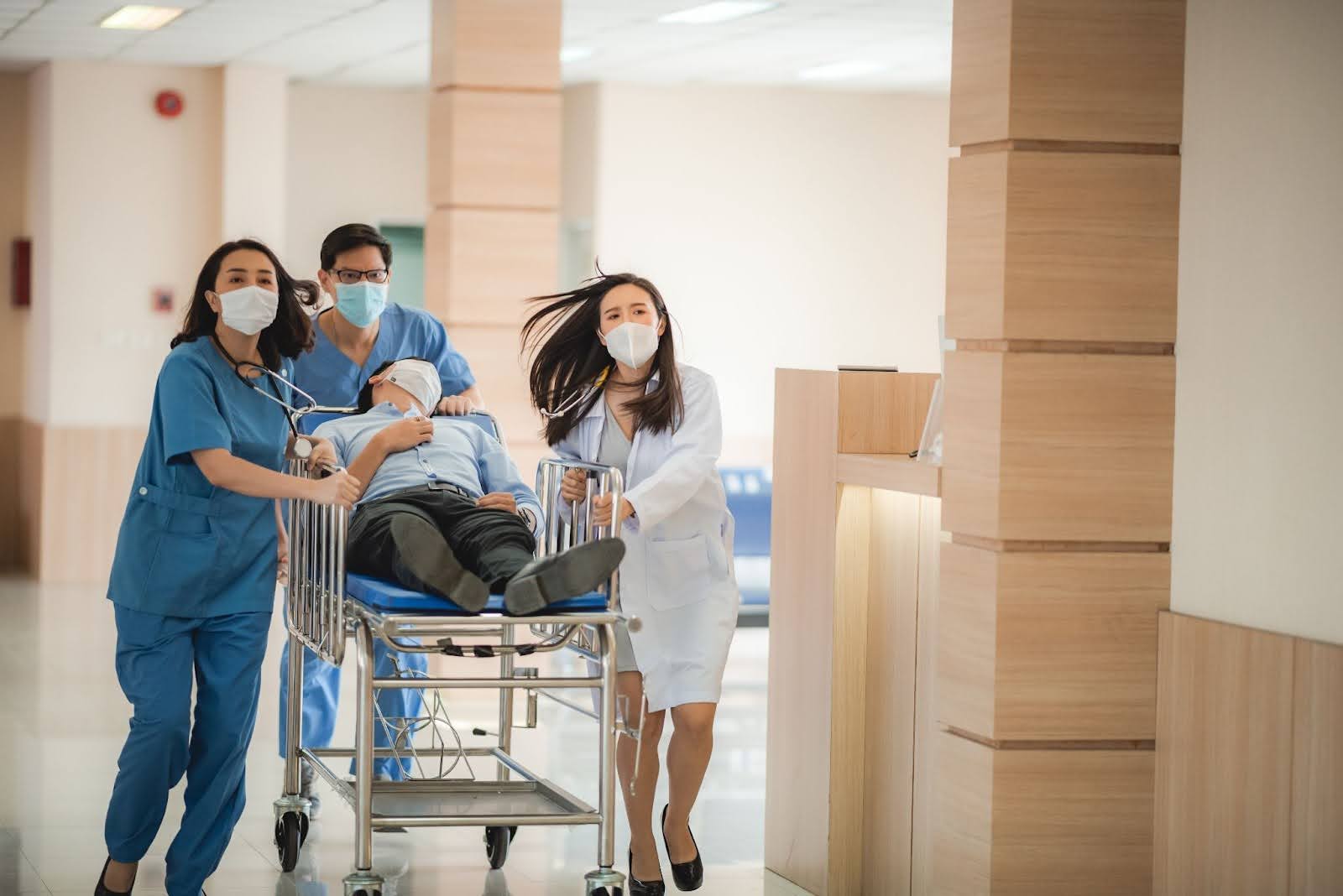
Hospital security is a vital component of healthcare operations. It is designed to protect patients, staff, visitors and valuable assets. Altogether, hospital security integrates technology, human expertise and emergency preparedness to create a safe ecosystem where healthcare can be delivered effectively and without disruption.
Hospital Security Systems especially in Malaysia refer to the essential safety and monitoring solutions that hospitals must implement to safeguard their operations. These systems are practically necessary to protect patients, staff, and sensitive medical resources.
Why It Matters For Hospitals In Malaysia
- Patient Safety: Hospitals house vulnerable individuals, including elderly patients, children, and those in critical care. Security systems prevent unauthorized access and ensure their protection.
- Staff Protection: Medical staff often work long hours and face stressful situations. Security systems provide them with a safer working environment.
- Asset Security: Hospitals store expensive medical equipment, pharmaceuticals, and confidential patient records. Security systems help prevent theft and misuse.
- Regulatory Compliance: Malaysian healthcare authorities require hospitals to meet strict safety standards, making these systems compulsory.
Types Of Compulsory Hospital Security Systems In Malaysia
Key component 1: Access control systems
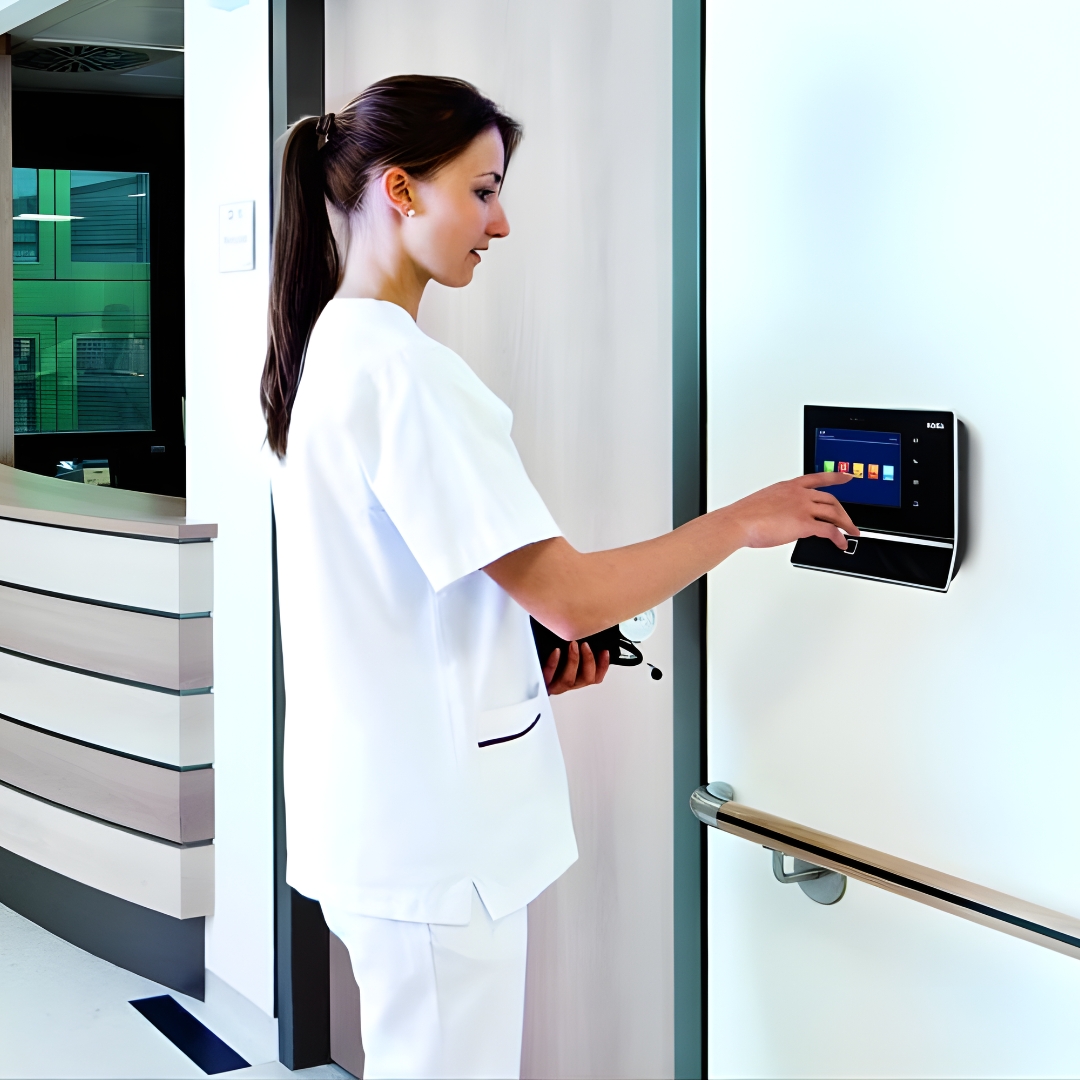
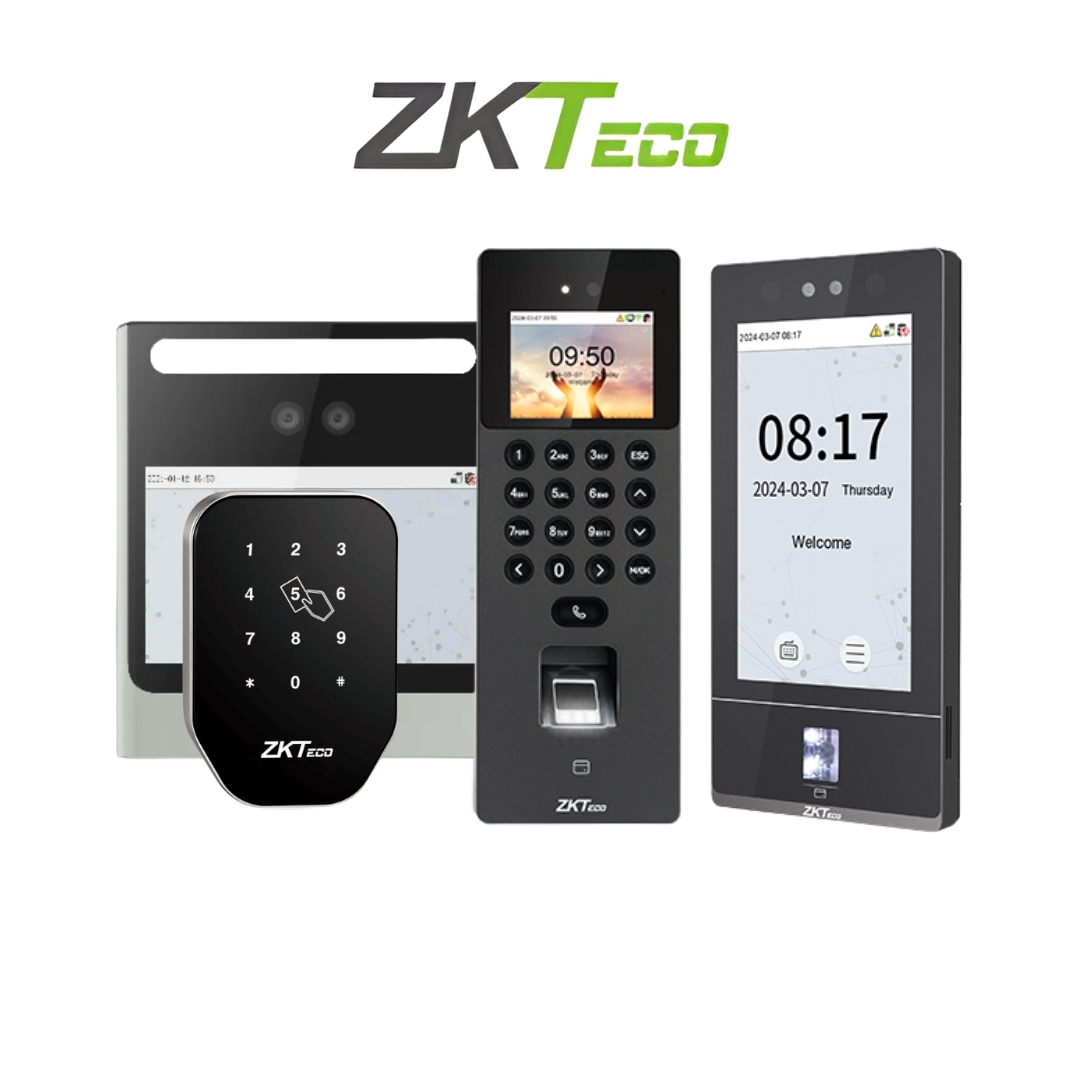
Access control systems are the backbone of hospital security. In basic terms, hospital access control systems regulate who, where, and when someone can enter a facility.
Implement solutions such as fingerprint or facial recognition door access controller to ensure only authorized personnel gain access to sensitive areas. These systems should harmoniously integrate with video surveillance to provide active monitoring and rapid responsiveness.
Key component 2: Surveillance And Monitoring
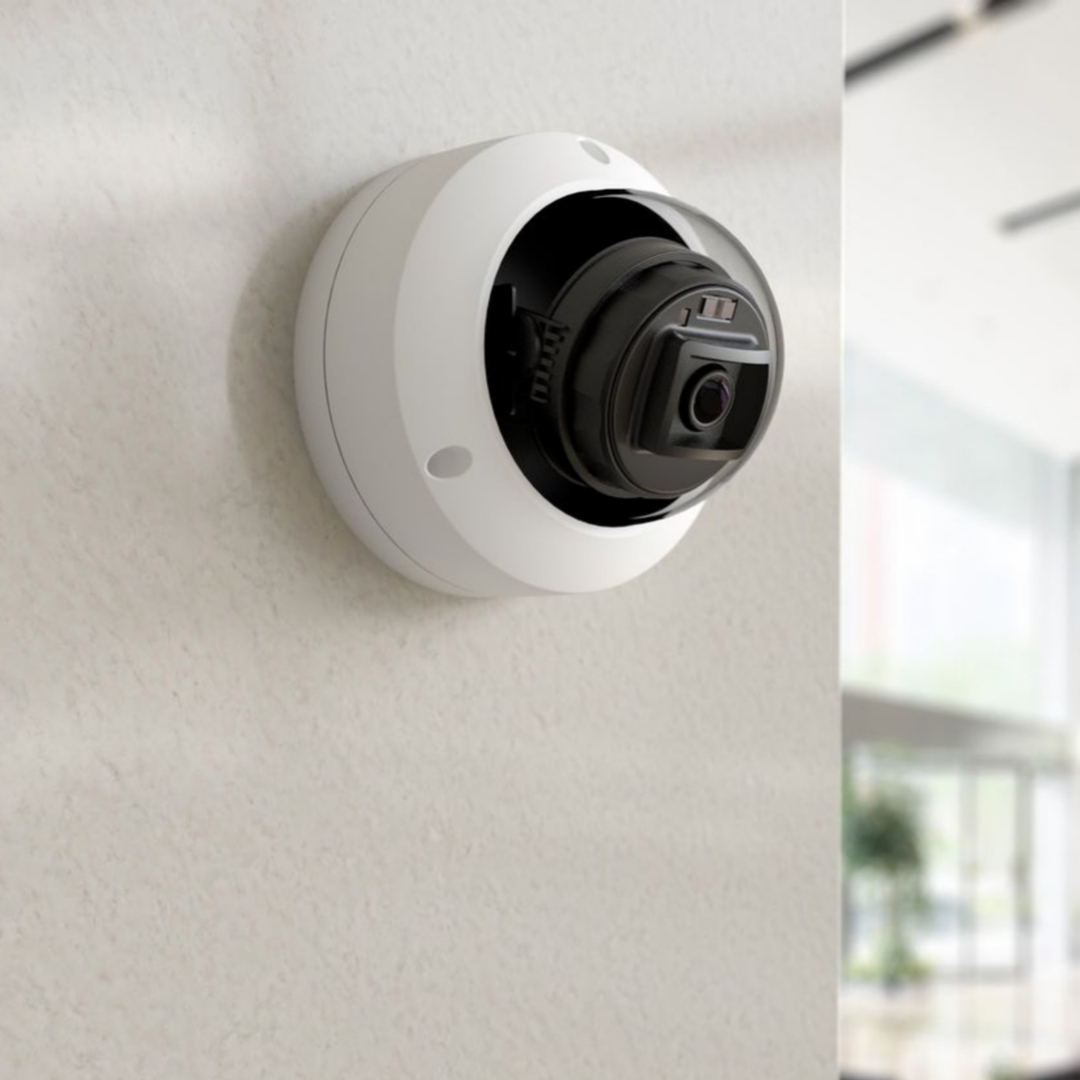
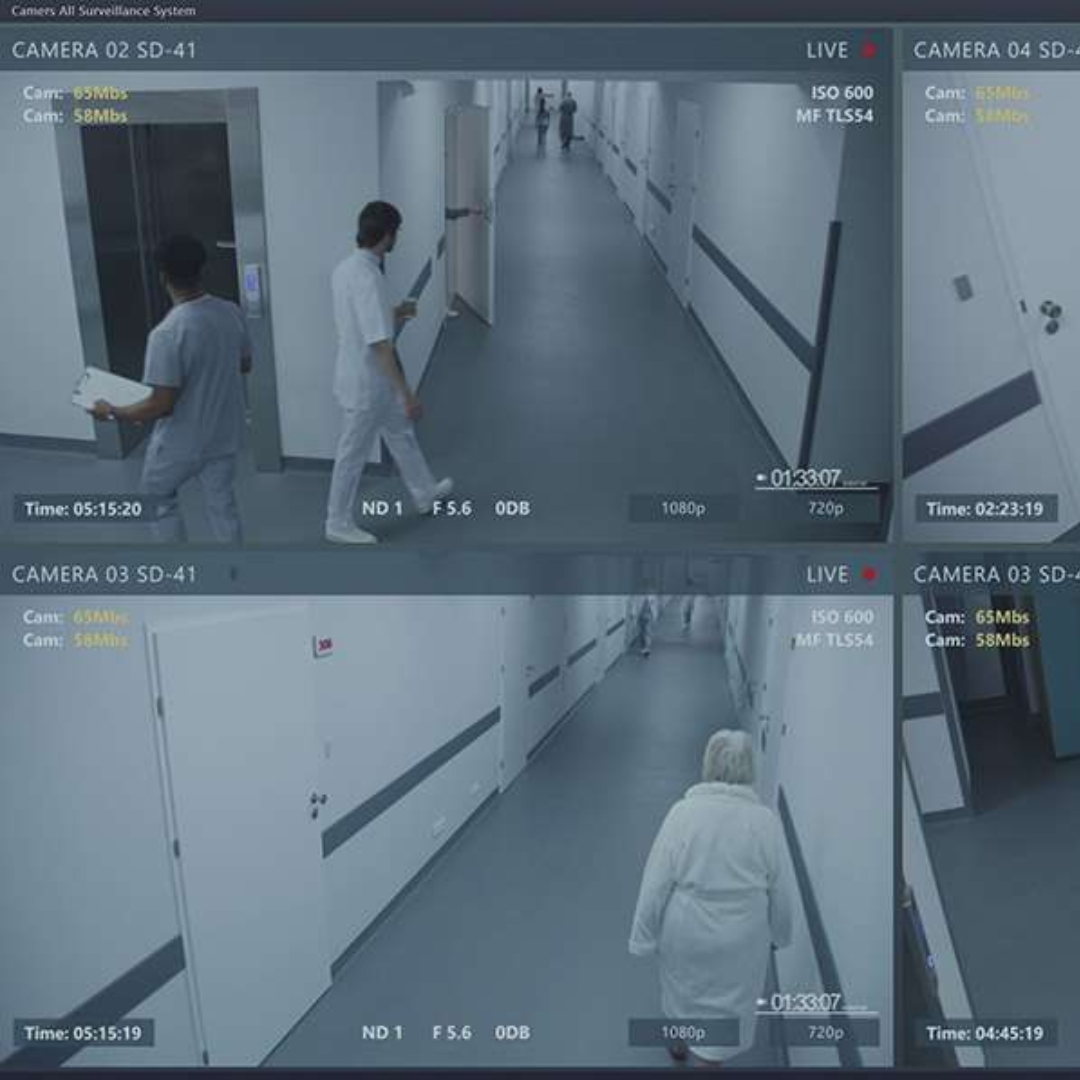
CCTV Cameras are the eyes of a hospital security system. Video security monitors the inside and outside areas of a building, transmitting high definition video to the security team.
CCTV systems are vital for hospitals because they provide continuous oversight of critical areas, ensuring patient safety and operational integrity. With strategically placed cameras, hospitals can deter unauthorized access, monitor high-risk zones such as emergency wards and pharmacies, and quickly respond to incidents.
CCTV systems also help protect staff from potential threats, document evidence in case of disputes, and enhance overall trust in the hospital’s security measures. In Malaysia, where compulsory hospital security systems are mandated, CCTV surveillance plays a central role in meeting regulatory standards while creating a safer, more controlled environment for patients, visitors, and healthcare professionals alike.
Key component 3: Alarm and Intrusion Detection Systems
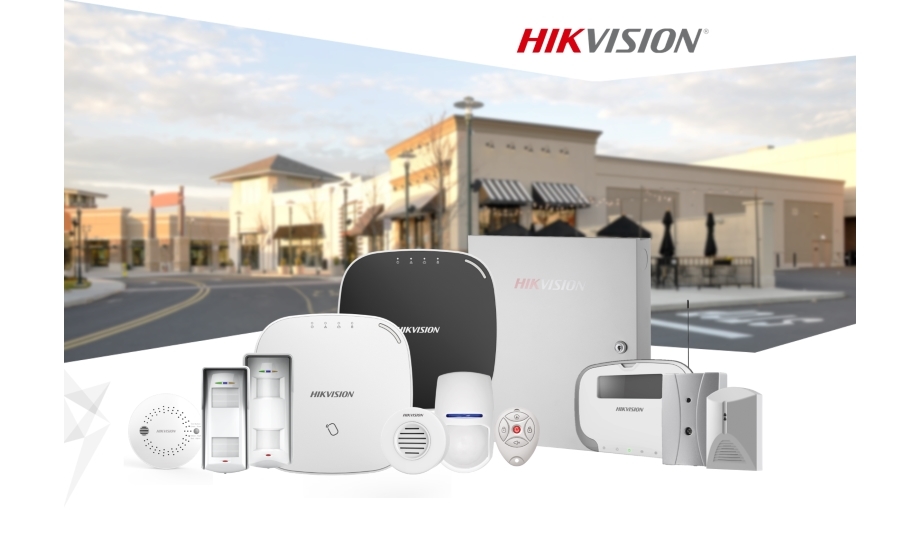
Alarm and Intrusion Detection Systems are crucial for hospitals because they act as the first line of defense against unauthorized access and emergencies. These systems use sensors, alarms, and automated alerts to detect break-ins, suspicious movements, or forced entries, ensuring that security personnel can respond immediately. In a hospital setting, where sensitive areas such as pharmacies, operating theaters, and patient wards must remain protected, intrusion detection helps prevent theft, safeguard restricted zones, and maintain compliance with Malaysian healthcare regulations. Beyond physical protection, these systems also enhance overall trust, reassuring patients, staff, and visitors that the hospital environment is secure and well‑monitored at all times.
Key component 4: Emergency Communication Systems
Emergency Communication Systems such as PA System, intercoms, panic buttons, and integrated communication tools are essential for hospitals. It is compulsory because they enable rapid response during critical situations. These systems allow staff to instantly communicate across departments, alert security teams, and coordinate emergency actions without delay.
As example, the panic buttons provide immediate access to help in high‑risk scenarios while intercoms ensure clear communication between wards or operating theaters. On top of that, integrated communication tools further streamline responses by linking alarms, surveillance, and staff notifications into one cohesive system.
In Malaysia, where compulsory hospital security systems are mandated, these emergency communication solutions are vital for protecting patients, supporting staff, and ensuring that hospitals can respond effectively to any crisis.
Key component 5: Fire Detection System
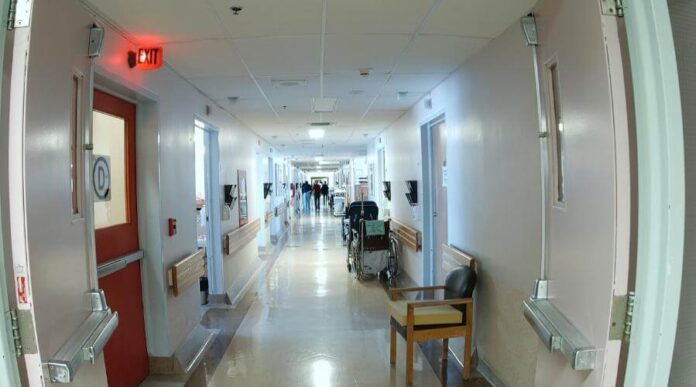
Fire Detection Systems are indispensable for hospitals as they provide early warning to potential fire hazards, protecting both lives and critical infrastructure. Since hospitals house vulnerable patients who may not be able to evacuate quickly, it is crucial to minimize the risks. Advanced fire detection solutions—such as smoke detectors, heat sensors, and automated alarms—ensure that staff can act immediately, triggering evacuation protocols and alerting emergency services.
In Malaysia, fire detection is a core requirement to safeguard medical equipment, pharmaceuticals, and sensitive patient records. Beyond compliance, these systems build trust by reassuring patients, families, and staff that the hospital environment is prepared to handle emergencies effectively and safely.
Overall Benefit Of Hospital Security Systems In Malaysia
1. Enhanced Patient Trust and Confidence in Hospital Safety
When patients and their families see visible security measures such as CCTV surveillance, access control, and emergency communication systems, they feel reassured that the hospital prioritizes their safety. This trust translates into higher patient satisfaction, stronger reputation, and greater confidence in choosing the hospital for medical care.
2. Reduced Risk of Theft, Vandalism, and Unauthorized Access
Hospitals store valuable medical equipment, pharmaceuticals, and sensitive patient records. Security systems like intrusion detection and smart locks minimize the chances of theft or vandalism. By restricting access to critical areas, hospitals prevent unauthorized individuals from entering restricted zones, ensuring both safety and compliance.
3. Improved Staff Morale and Productivity in a Secure Environment
Healthcare professionals often work under high stress and long hours. Knowing that robust security systems are in place—such as panic buttons, intercoms, and surveillance—gives staff peace of mind. This sense of safety boosts morale, reduces anxiety, and allows them to focus more on patient care, ultimately improving productivity.
4. Compliance with Malaysian Healthcare Regulations and Standards
In Malaysia, hospitals are required to implement compulsory security systems to meet national healthcare safety standards. Compliance not only avoids legal penalties but also demonstrates the hospital’s commitment to best practices. This strengthens credibility with regulators, patients, and stakeholders.
5. Streamlined Emergency Response and Crisis Management
Integrated systems such as fire detection, alarms, and emergency communication tools ensure hospitals can respond quickly to crises. Whether it’s a fire, intrusion, or medical emergency, these systems provide immediate alerts and coordinated responses. This reduces damage, saves lives, and ensures hospitals remain operational even during unexpected events.
End Note
Investing in these systems may sound like a sudden concern, but in hospitals security systems must be reliable, accessible, and tailored to protect the most vulnerable. As we move into 2026, hospitals that invest in these top five systems will be better prepared to handle challenges while ensuring peace of mind for everyone who steps through their doors.
Looking For Hospital Security Systems Malaysia?
If your are looking for Hospital Security Systems in Malaysia, Contact us today. We highly recommended the implementation for hospitals that can provide security and peace of mind to hospital environment .