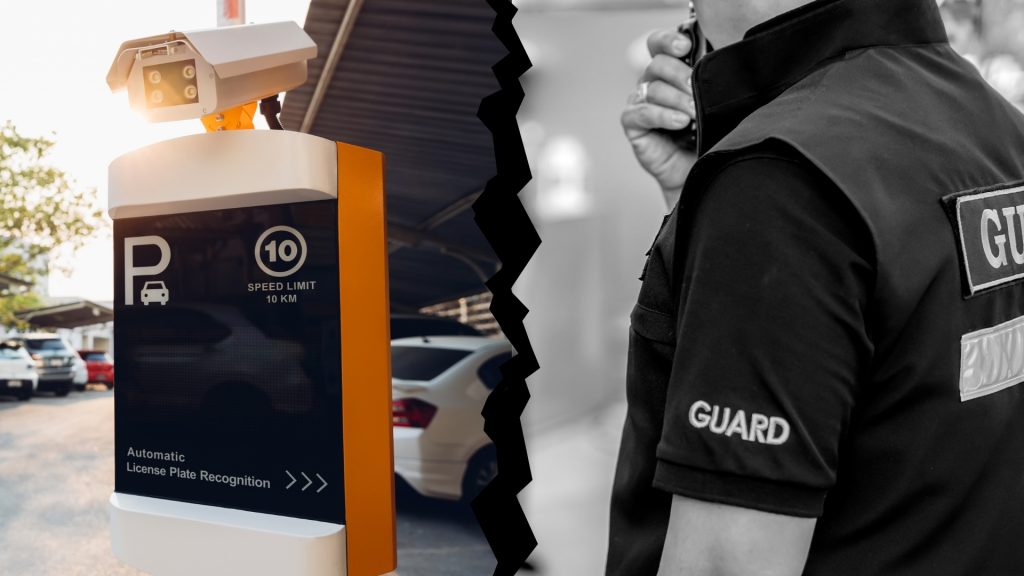

An Integrated Access Control System is a modern centralized security infrastructure. It links digital authentication technologies with physical entry points and other security systems (like CCTV and alarms). Therefore, it can manage, monitor, and restrict user movement through a facility from a single dashboard.
Instead of paying recurring monthly salaries for multiple physical guards, you make a one-time investment in automation. In this article, you will discover how integrated access control system can reduce security guard cost especially in Malaysia.
How Integrated Access Control System Can Reduce Security Guard Cost?
1. Replacing With CCTV & Smart Monitoring
Traditional security relies on guards sitting at checkpoints (like front desks, main gates, or loading bays). Their task is just to check IDs, log visitors, and open doors.
Since the security guards often rely on manual monitoring, it can lead to issues such as inattentiveness or even sleeping on duty. Thus we highly recommend these solutions:
- CCTV with AI analytics
- Motion detection alerts
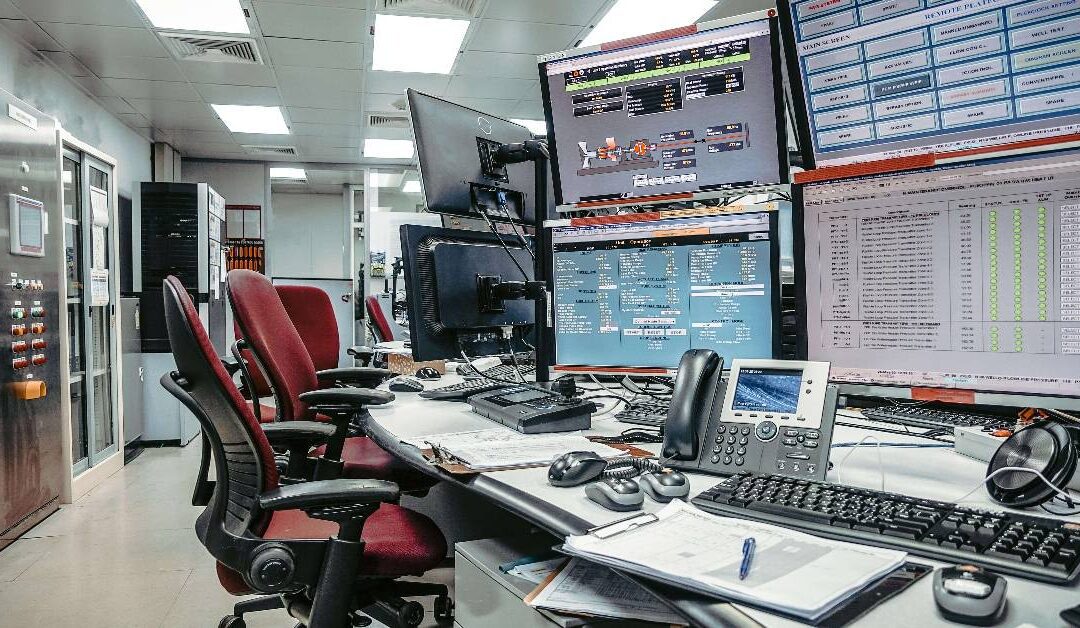
- Remote monitoring control room
- Smart alarm system
With this setup, a single security individual can control room can monitor multiple sites and become “response officers”. On the other hand, it can prevent them from being caught sleeping or being passive for monitoring.
This significantly reduces long-term manpower cost while improving accountability.
2. Lift Access Control For Commercial & Residential Buildings

If you operate a large facility, a multi-story building, or multiple branches, you might traditionally hire guards for every single location or entrance.
For example; security guards is required to check visitors IC before granting them permission will takes time and dedicated personnel. With Lift access control ensures only authorized users can access specific floors.
Common applications:
- Office buildings (department-based access)
- Condominiums (resident-only floors)
- Mixed developments (public vs private zones
Systems used:
- biometric access control system
- Facial recognition access control system
- RFID access control system
- QR visitor access
This helps prevent unauthorized access and improves building safety.
3. Dual Verification Security System (High Security Entry)
For higher security requirements, dual verification is recommended. Instead of relying on a single security guard at the front gate to glance at a car, this system uses automated technology to double-check both the vehicle and the person.
Step 1: License Plate Recognition (LPR) — Verifying the Vehicle
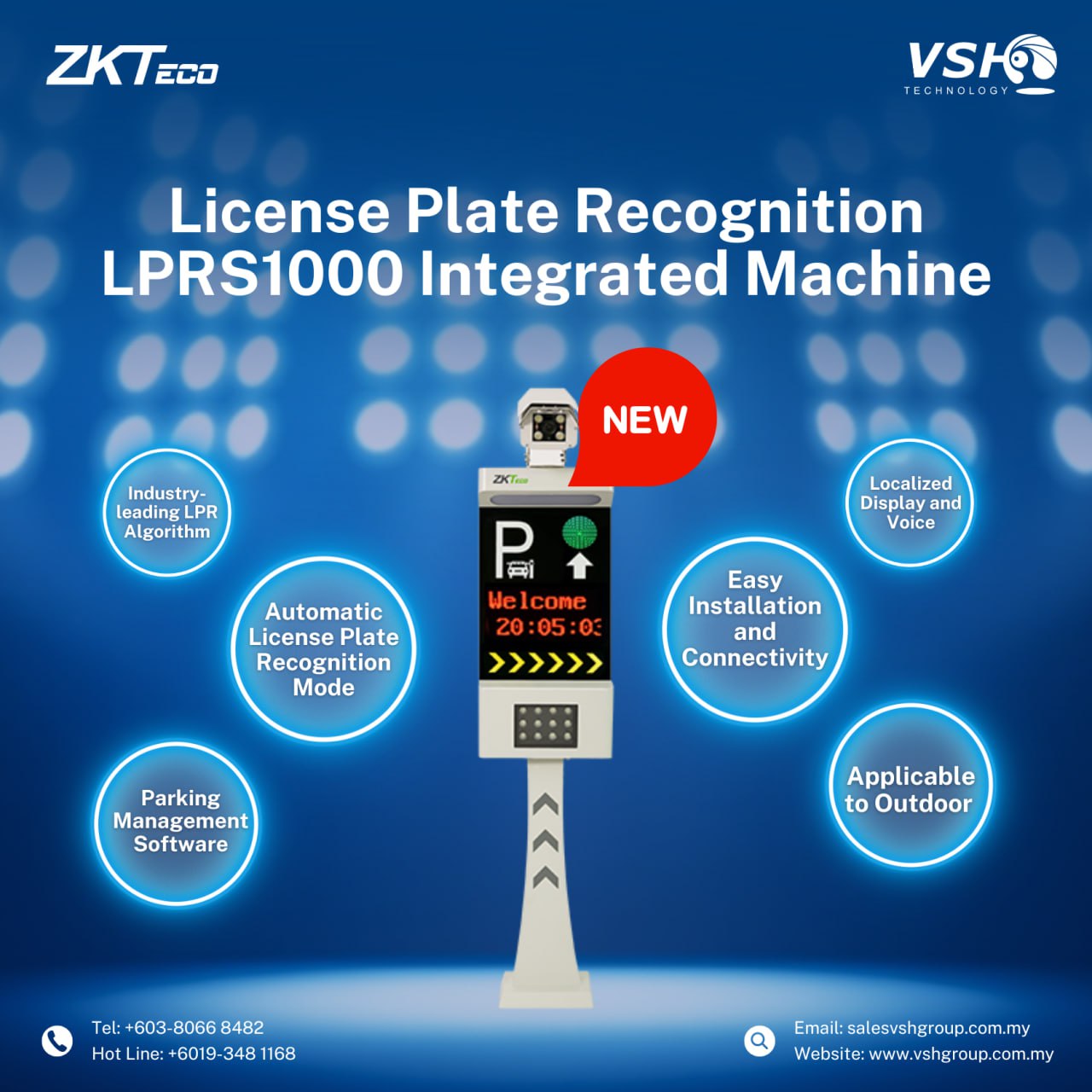
When a car approaches the entrance barrier, the camera automatically reads and scans the vehicle’s license plate.
If the license plate is registered in the database, the system passes the first check. If the plate is unknown, the gate remains firmly shut. This is where the License Plate Recognition (LPR) like the ZKTeco LPRS1000 play its role.
Step 2: Facial Recognition — Verifying the Person
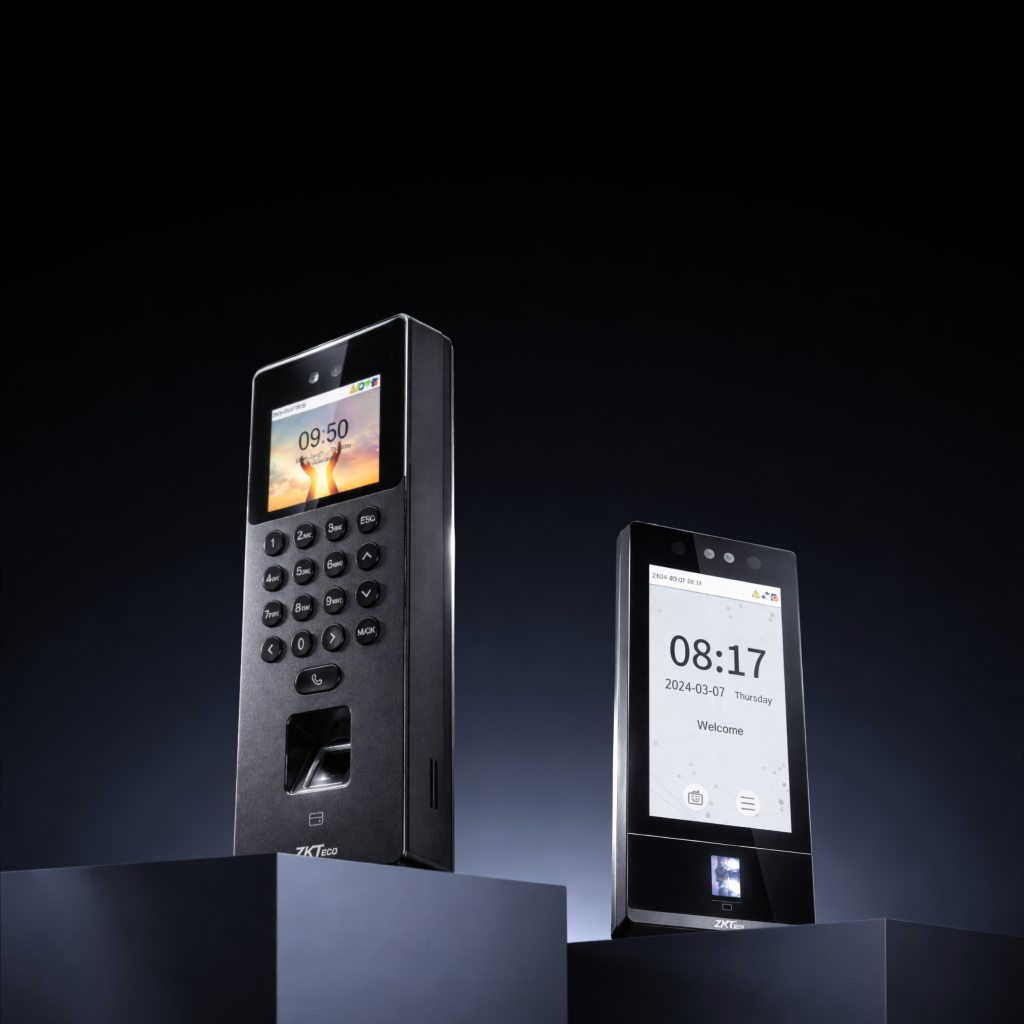
Once the car passes the license plate check, the driver must present their face to a camera terminal at the barrier gate or turnstile.
The system matches the live facial scan against the registered profile of the homeowner or employee.
By removing human error and basic keycards, dual verification fixes three massive security loopholes like:
- No “borrowed access card” issue
- No tailgating security breach
- Strong identity verification for both car and person
4. Make Entry Faster & More Secure
Security systems primarily focuses on operational efficiency and financial predictability.
To improve operational efficiency:
- AI-Based Facial Recognition: Traditional fingerprint scanners take time and require physical contact. AI facial recognition matches a face in milliseconds as a person walks toward the turnstile—zero stopping required.
- RFID for Frequent Users: For staff or residents who enter daily, long-range RFID tags attached to car windscreens allow them to drive through without even winding down their windows.
- LPR for Vehicle Automation: License Plate Recognition cameras scan plates on the move, meaning the system decides to open the gate before the car even comes to a complete halt.
- Auto Open/Close Barriers: High-speed motorized gates minimize the time a vehicle spends idling at the entrance checkpoint.
Result:
- Faster entry flow
- Less congestion at gate
- Higher security accuracy
To improve financial predictability:
Invoicing disputes and unexpected overtime charges are major pain points when dealing with physical guarding agencies. Guards might show up late, require relief staff, or log unapproved overtime hours.
- The Late-Show Loophole: If Guard A is late, Guard B must stay on duty to cover the post. The agency then bills you premium overtime charges for Guard B, even though it was their operational failure.
- Invoicing Disputes: Manually tracking paper logs of guard shift clock-ins leads to constant arguments between your accounting team and the security agency over exact hours worked.
- The “Cost Cut” Solution: By shifting to an integrated access control system, the technology becomes the auditor. * If you maintain a hybrid system (a few guards + tech), the guards must use the biometric access control system to clock in for patrols.
5. Access Technology Comparison

Technology Usage Advantage
- LPR (License Plate Recognition): Best for checking the car. It stops traffic jams because drivers don’t have to roll down their windows to tap a card (hands-free).
- Facial Recognition: Best for checking the human. It provides maximum security because physical credentials can’t be lost, stolen, or shared.
- RFID tag and UHF Reader: Best for long-range or frequent users (like residents or long-term staff) who need rapid, reliable gate openings.
- Traditional Access Card: The baseline standard. It is cheap and familiar, but carries the highest risk of being lost or borrowed.
Best system design usually combines: LPR + Facial Recognition + RFID backup
- validates both the vehicle and the driver (Dual Verification)
- eliminates traffic jams (Hands-Free Speed)
- the RFID backup ensures “Zero Downtime” (The Ultimate Safety Net)
Benefit Of Integrated Access Control System
1. Massive Reduction in Security Guard Costs
- Automates Routine Labor: It replaces static guards who spend their shifts manually checking IDs, writing in logbooks, and pushing buttons to open gates.
- Eliminates Overtime & Invoice Disputes: By acting as a digital auditor, the technology removes human tracking errors, late-show loopholes, and unapproved overtime charges commonly billed by guarding agencies.
2. Ironclad, Fail-Safe Security (Dual Verification)
- Eliminates Loopholes: By pairing License Plate Recognition (LPR) with Facial Recognition, the system verifies both the vehicle and the driver.
- Prevents Fraud & Breaches: It completely stops common security breaches like “borrowed or cloned access cards” and vehicular tailgating, as a person cannot share or copy their face.
3. Maximum Entry Speed with Zero Congestion
- Contactless Convenience: Drivers do not need to wind down their windows in the rain or stop to rummage through their bags for physical keys.
- Rapid Matching: AI-based facial recognition and LPR scan and match identities in milliseconds on the move, keeping traffic flowing smoothly even during peak morning rush hours.
4. Continuous Reliability (Zero Downtime)
The Ultimate Safety Net: By keeping an RFID card system as a background backup, the facility remains protected even during worst-case scenarios. If heavy tropical downpours or thick mud temporarily block an AI camera lens, users can seamlessly tap their physical card to enter without getting locked out or disrupting operations.
End Note
Modern security is shifting away from a heavy reliance on manual labor and moving toward automation. By upgrading to an Integrated Access Control System, you can reduce guard dependency, improve security accuracy, speed up entry process and reduce long-term operational cost.
Discover how to protect your property and optimize your budget across Malaysia by consulting with the enterprise-grade system specialists at VSH Technology today.
Upgrade your property monitoring today with Integrated Access Control System for peace of mind and total security from threats!
Contact us today to learn more and we will your enquiries.
Frequently Asked Questions (FAQ)
1. Can an Integrated Access Control System completely replace all physical security guards?
In reality, eliminating security personnel entirely is almost impossible. Instead, it transitions your setup into a hybrid model. Technology handles the routine, repetitive gatekeeping and monitoring tasks. So you can downsize the security guard into smaller team.
2. What happens if the Facial Recognition or LPR camera fails during heavy rain?
This is why a hybrid system design that includes an RFID backup is crucial. If extreme weather, thick mud on a license plate, or a temporary system glitch prevents the AI cameras from scanning successfully, users can tap a physical RFID card or access badge.
3. How fast can a business expect a return on investment (ROI) after installation?
Most commercial buildings and residential properties see the system pay for itself within 12 to 24 months. While the upfront hardware and installation costs represent a capital investment.
4. Is dual verification slow? Will it cause traffic jams at our main entrance?
Not at all. Because modern systems utilize advanced AI processing, both License Plate Recognition (LPR) and Facial Recognition match credentials in milliseconds on the move.
5. Can this system be integrated with our existing building management software?
Yes. True integrated access control platforms are designed to connect seamlessly with existing security ecosystems—including your current CCTV networks, fire alarms, visitor management systems, and even HR attendance software.