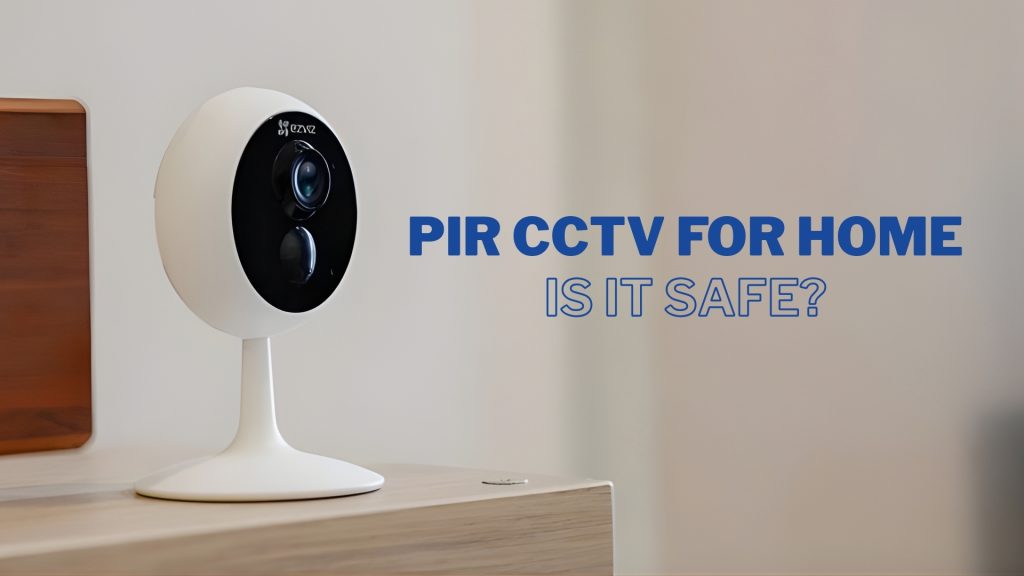
PIR CCTV Camera For Home security systems has become one of the most searched topics for homeowners looking to upgrade their surveillance. You’ve probably seen it on product boxes. “Equipped with PIR Motion Sensor.” But what does that actually mean for the security of your living room, driveway, or backyard?
More importantly, if you are looking to buy a PIR CCTV camera for home use, you need to know if this feature is a genuine security booster or just marketing fluff.
In this guide, we’re going to answer the million-dollar question that every homeowner is asking: Is a PIR camera actually worth the investment, or are you better off saving your money for something else?
What Is A PIR CCTV Camera?
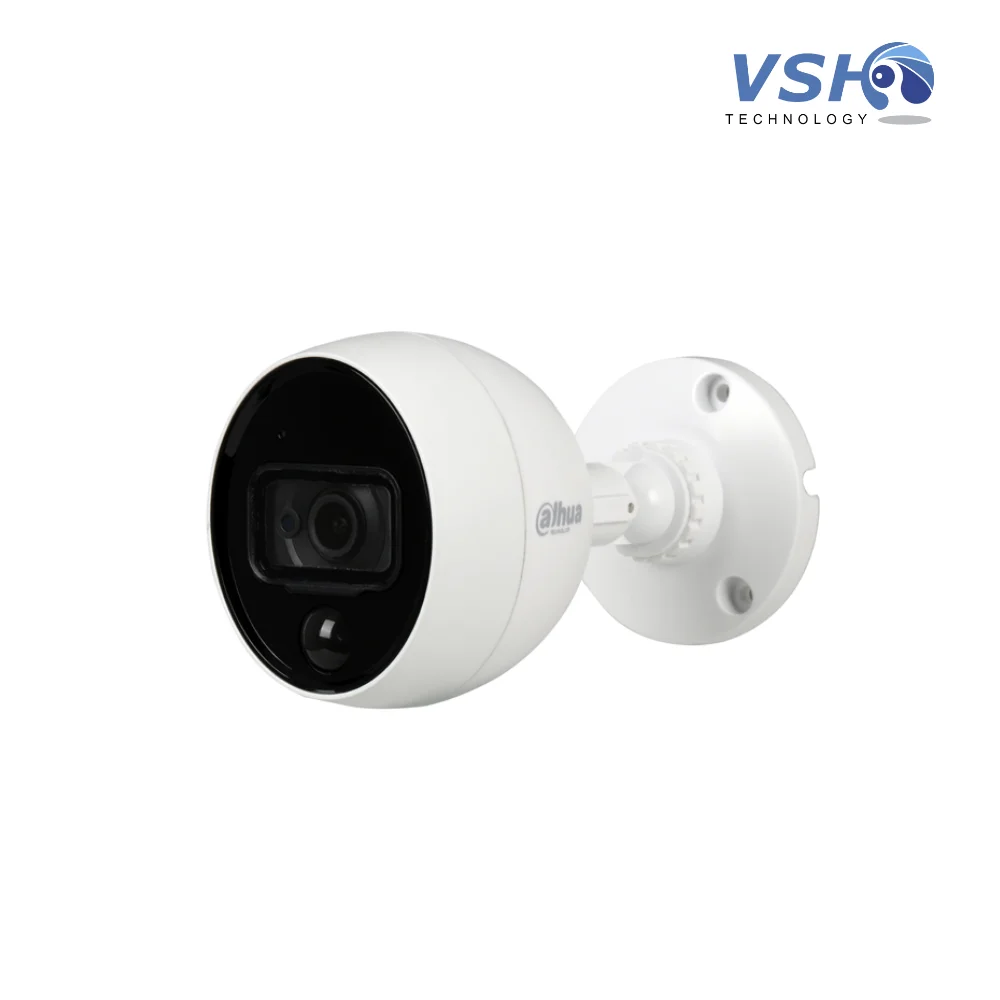
PIR stands for Passive Infrared. Passive Infrared (PIR) cameras detect motion by identifying changes in heat signatures, offering a low-power, low-false-alarm alternative to traditional pixel-based motion detection systems. While pixel-based systems analyze visual changes, PIR sensors are optimized for detecting movement from people and animals, making them ideal for battery-powered outdoor security.
Think of it like this:
- Standard Motion Sensor: “Something moved! It could be a person, a car, or a piece of trash blowing by. I’ll alert you just in case.”
- PIR Sensor: “I detected a heat signature moving across the driveway. That’s likely a living thing. You should check this out.”
This distinction is the core reason why PIR technology has become the gold standard for modern home security.
How Does A PIR Camera Work?

To understand if it’s worth it, you need a basic grasp of the “how.” Don’t worry—it’s simpler than it sounds.
- The Science: Everything with a temperature emits infrared radiation. Humans and animals are hot. Walls and trees are (usually) cold.
- The Sensor: A PIR sensor is calibrated to detect these changes in infrared energy.
- The Trigger: When a warm body (like a person) walks across the sensor’s field of view, it notices the heat moving and triggers the camera to start recording or send you an alert.
Because it relies on heat, a PIR camera is technically “passive”—it doesn’t emit any energy itself. It just sits there, waiting for a heat signature to enter its zone.
PIR CCTV Camera For Home: The Pros and Cons
So, is this technology worth installing around your property?
The Benefits Of PIR CCTV
1. The End of “False Alarm Fatigue”
This is the single biggest reason to choose PIR. Standard motion sensors are notoriously dumb. A shadow moves, a bug flies past the lens, or the sun breaks through the clouds, and suddenly your phone is blowing up with notifications.
A PIR camera ignores these. It waits for a heat source. This means you get alerts for the delivery man, the neighbor, or the intruder—but not for the tumbleweed rolling across your yard.
2. Better Battery Life
If you are using a wireless camera, battery life is a constant headache. Standard cameras have to constantly “watch” the video feed to detect motion, which drains power.
PIR sensors use almost no power while idle. They only “wake up” the camera to record when they sense heat. This can extend battery life from weeks to months.
3. Works in Total Darkness
Standard motion detection often struggles at night. PIR doesn’t care about light levels. Whether it’s high noon or midnight, it detects the heat from a human body just the same.
4. Pet Immunity
Many modern PIR cameras allow you to set a “pet threshold.” You can tell the camera to ignore heat signatures under a certain size (e.g., 25kg / 55lbs). Your Labrador can run around the garden without triggering an alert, but a human intruder will still be caught.
The Concerns About PIR CCTV
1. Limited by Weather
PIR sensors aren’t perfect. If you live in a desert climate where the ground and walls are scorching hot during summer, the ambient temperature can “blind” the sensor. If the background heat is as high as a human body heat, the sensor struggles to see the difference.
2. Can’t See Through Glass
You cannot put a PIR camera behind a window and expect it to work. The glass will block the infrared signature, rendering the sensor useless.
3. Detection Zone Blind Spots
Because PIR looks for moving heat, if an intruder walks directly towards the camera (instead of across its path), the heat signature doesn’t move across the sensors in the same way, and it might miss them. This is known as “line-of-sight” limitation.
PIR vs. Other Systems
To decide if it’s worth it, you should know how it stacks up against the alternatives appearing in different types of cameras.
| Feature | PIR Sensor | Radar Sensor | Standard Pixel Analysis |
|---|---|---|---|
| Detection Method | Heat (Infrared) | Motion waves | Video pixel changes |
| False Alarms | Low | Very Low | High |
| Battery Usage | Very Efficient | Moderate | High |
| Detects Through Objects? | No | Yes (limited) | No |
| Price | Affordable | Premium | Cheap |
PIR hits the “sweet spot.” Radar is fantastic but expensive. Standard pixel analysis is cheap but annoying. PIR offers the best balance of reliability and affordability for the average home.
5 Things To Consider Before Buying A PIR Camera
If you’ve decided the technology is right for you, here is what to look for on the box before you buy.
1. Check the Detection Distance
- Standard: 5-10 meters (Good for front doors/hallways)
- Premium: 10-15 meters (Needed for large driveways/backyards)
2. Look for Pet Immunity
- If you have pets, this is non-negotiable. Look for settings that allow you to adjust the sensitivity to ignore animals up to a specific weight.
3. Consider Dual-Sensor Technology
- The best cameras on the market now use PIR + Radar. The PIR detects heat, and the Radar confirms the movement. This virtually eliminates false alarms.
4. Placement is Everything
- Don’t point the camera at a heat source (like a vent or direct sunlight).
- Mount it at the recommended height (usually 2-3 meters high) to cover the optimal “walking across” path.
5. Battery vs. Wired
- If you want the battery life benefits of PIR, go wireless.
- If you want continuous 24/7 recording, go wired (the PIR then just acts as an alert trigger).
End Note
In short, PIR cameras are the smarter choice for those who want accuracy without the constant false notifications of pixel motion detection. By choosing a camera based on your unique needs—such as its clear resolution and smart capabilities—you can invest in a surveillance solution that offers genuine protection and 24/7 confidence.
While no technology is perfect, the Passive Infrared sensor remains the most reliable, cost-effective, and energy-efficient way to protect your home. Whether you are monitoring your front porch, your back patio, or your garage, a PIR CCTV camera ensures that when you get a notification, it’s probably time to look.
VSH Technology is a one-stop security supplier in Malaysia. If you’re looking for PIR CCTV cameras, kindly contact us. We’re happy to help and guide you.