Serverless Video Monitoring CCTV is a modern security architecture that eliminates the need for physical recording hardware (like NVRs or DVRs). The camera acts as an intelligent device that only triggers computing resources and storage the moment a specific event
But the security industry is undergoing a massive transformation. The rise of cloud storage has changed the way we think about video surveillance, shifting from vulnerable on-site hardware to secure, accessible, and intelligent off-site storage.
In this post, we’ll break down exactly the Serverless Video Monitoring CCTV and how to decide which route is best for you.
What Is Cloud Storage For Security Systems?
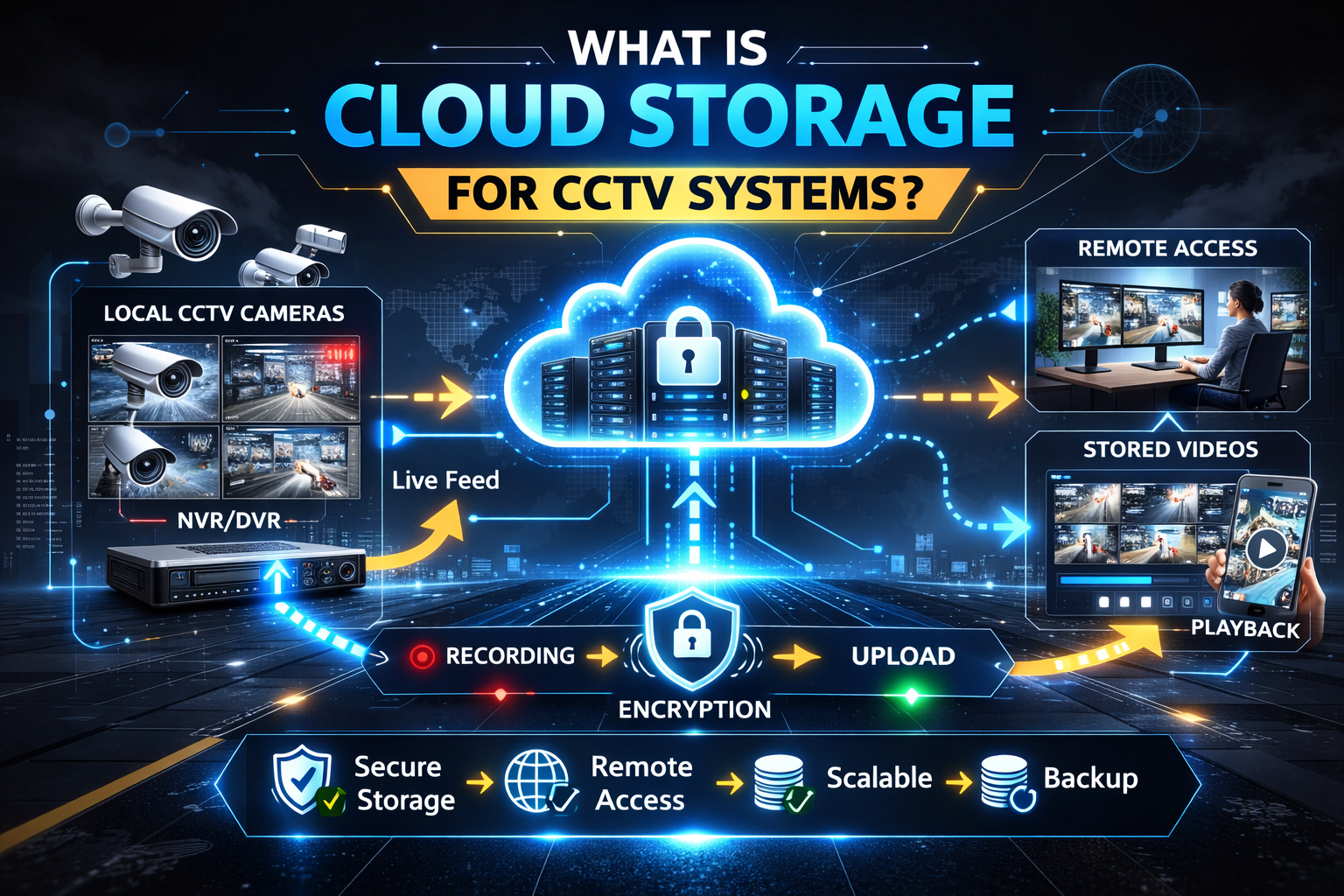
In simple terms, cloud storage means your video footage isn’t stored on a hard drive inside your building. Instead, when your security camera detects motion or records, it sends an encrypted video clip. It is send over the internet to a secure data center which is the cloud.
Why Is Cloud Storage On The Rise?
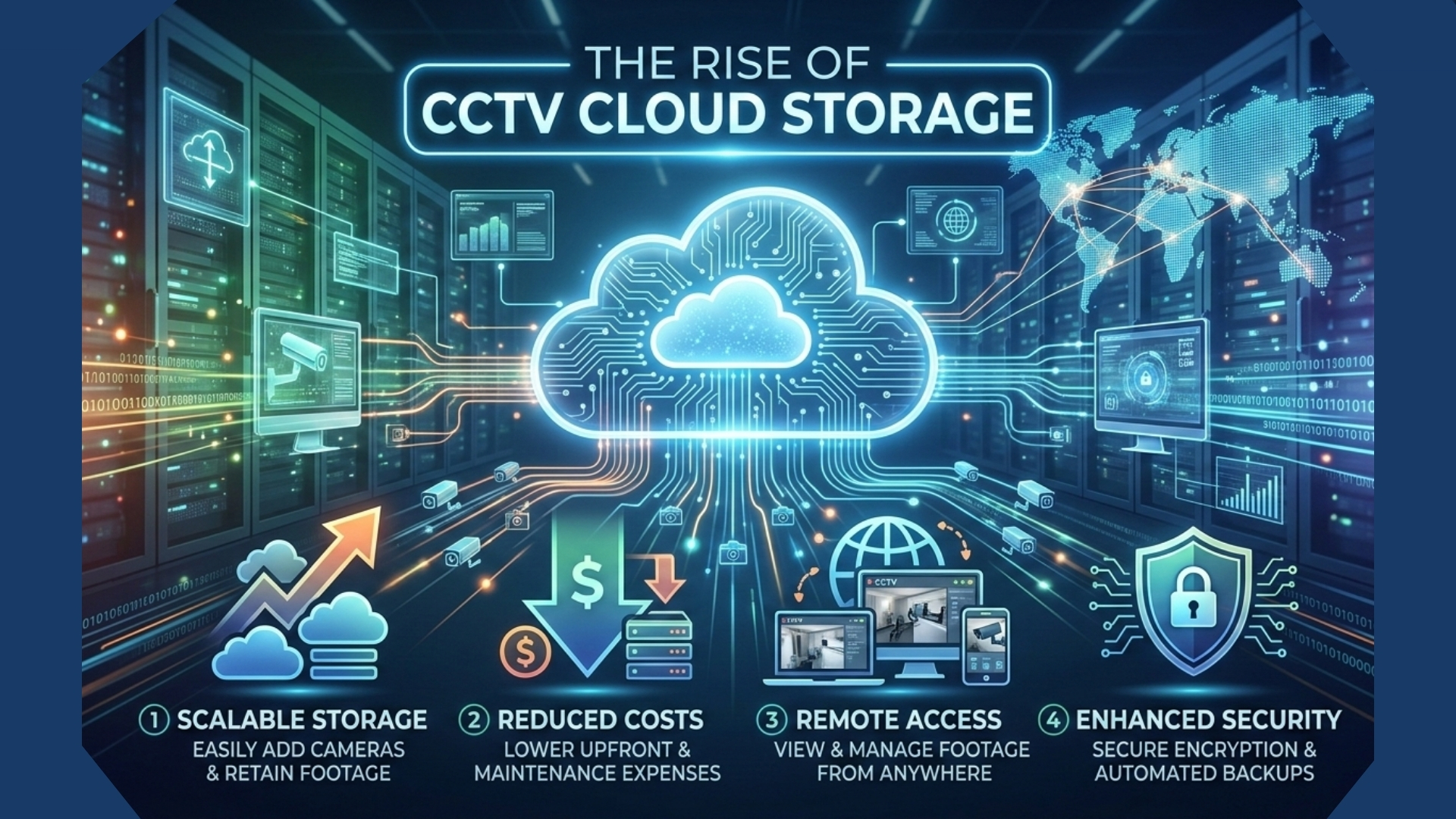
The shift from local to cloud isn’t just a tech trend—it solves some of the biggest pain points of traditional security systems.
1. Your Evidence is Safe from Theft or Destruction
This is the single biggest advantage of cloud storage.
In the old days, experienced thieves knew exactly what to do when breaking into a business or home: find the DVR and smash it or steal it. If the recorder was gone, the evidence was gone.
With cloud storage, the footage of the break-in is uploaded to the cloud in real-time. Even if the thief destroys the camera, the video is already safe and waiting for you and the authorities to review. It turns your security system from a deterrent into an un-stealable witness.
2. Access Your Footage From Anywhere, Anytime
Have you ever tried to pull up footage from a standard DVR while you were on vacation? It’s usually a complicated mess of port forwarding, VPNs, and clunky desktop software.
Cloud storage is built for the mobile world. With a cloud-based system, you can simply open an app on your phone. Whether you’re checking in on your warehouse at 2 AM, seeing if a package was delivered to your home, or reviewing footage while waiting for a flight, it’s all instantly available at your fingertips.
3. No More Hard Drive Headaches
Hard drives are mechanical. They spin. They have moving parts. And eventually, they fail.
If you’ve ever dealt with a DVR that started beeping because the hard drive died, you know the frustration. You either lose footage entirely or face a costly repair bill.
With cloud storage, there is no hard drive to maintain. The service provider handles all the maintenance, redundancy, and backups. You never have to worry about a clicking hard drive ruining your only evidence.
4. Easy Expansion (Scalability)
With a traditional DVR, if you wanted to add a 5th camera, you had to make sure your recorder had a 5th channel and enough hard drive space. If it didn’t, you had to buy a whole new recorder.
Cloud storage scales automatically. You can usually add cameras one by one, and the cloud storage plan simply adjusts to accommodate the new footage. It’s perfect for growing businesses or homeowners who want to start small and expand later.
What Are The Concerns Of Cloud Storage?
No technology is perfect. To be a trusted advisor, you need to be honest about the potential drawbacks.
1. The Subscription Cost
Traditional DVRs are a one-time purchase. Cloud storage requires a monthly or annual subscription fee.
The Counterpoint: While subscriptions can feel like a burden, it’s helpful to think of this as a shift from hardware costs to service costs. Instead of paying $500 upfront for a recorder that might fail in 3 years, you pay a predictable monthly fee for a service that is continuously updated and maintained. Plus, you’re paying for the “insurance” of off-site storage.
2. Internet Dependency
Cloud cameras need the internet to upload footage. If your internet goes down, the camera can’t send clips to the cloud.
The Counterpoint: Many modern cloud cameras have a hybrid solution. They often include a microSD card slot for local backup. If the internet cuts out, the camera continues recording to the SD card. Once the internet comes back online, it automatically uploads the missed footage to the cloud.
3. Data Privacy Concerns
Some people are uneasy about their video being stored on a server they don’t physically own.
The Counterpoint: Reputable cloud providers use bank-level encryption (AES-256) to protect your data both while it’s being transmitted and while it’s at rest in the data center. In many ways, your video is safer in a professionally managed cloud facility than it is on a vulnerable DVR connected to your home or business network, which can be hacked.
Cloud Storage vs. Local Storage: A Comparison
To make it easier to visualize, here is how the two technologies stack up:
| Feature | Local Storage (DVR/NVR) | Cloud Storage |
|---|---|---|
| Safety of Evidence | Vulnerable to theft, fire, and hard drive failure. | Secure, off-site, and redundant. |
| Remote Access | Difficult to configure; often requires complex network setup. | Instant access via user-friendly mobile apps. |
| Maintenance | You are responsible for replacing failed hard drives. | Handled entirely by the service provider. |
| Upfront Cost | Higher (cost of recorder + hard drives). | Lower (hardware is often subsidized or cheaper). |
| Ongoing Cost | Low (electricity). | Monthly or annual subscription fee. |
| Internet Required? | No, operates on a local network. | Yes, for off-site access and uploading. |
Which One is Right for You?
Still unsure which path to take? Here’s a simple guide:
Choose Cloud Storage if:
- You want to check your cameras from your phone easily.
- You are worried about someone stealing the recorder or cutting wires.
- You don’t want to deal with maintaining or replacing hard drives.
- You have multiple locations you want to view from one central app.
Choose Local Storage (DVR/NVR) if:
- You have a very poor or unreliable internet connection.
- You are strictly against monthly fees and prefer a one-time purchase.
- You need to record massive amounts of high-resolution video 24/7 for 90+ days (though cloud options for this exist, they can be costly).
Conclusion
The rise of cloud storage has made security systems more powerful, more user-friendly, and more reliable than ever before. Whether you’re a homeowner wanting peace of mind or a business owner needing to protect your assets, the cloud offers solutions that were impossible just a decade ago.
Not sure which system is right for your specific needs? We can help.
Looking For Serverless Video Monitoring CCTV In Malaysia?
VSH Technology Sdn Bhd provides CCTV Camera With Cloud Storage in Malaysia. We’ll help you create a smart and more convenient experience for your communication experience as healthcare service provider.
Contact us today to learn more about Serverless Video Monitoring CCTV and how we can support your enquiries.