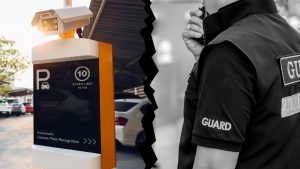
Let say you’ve invested in a powerful CCTV camera that capable of identifying visitors and monitoring deliveries. But without proper placement, its advanced features are wasted. The single most important factor in your home’s security is knowing exactly where to put your CCTV camera. Today we’ve identified the essential spots that matter most. These are the Top 6 Places To Put CCTV Camera For Maximum Protection.
What Are The Best Spots To Put CCTV Camera At Home?
1. Exterior: Front door
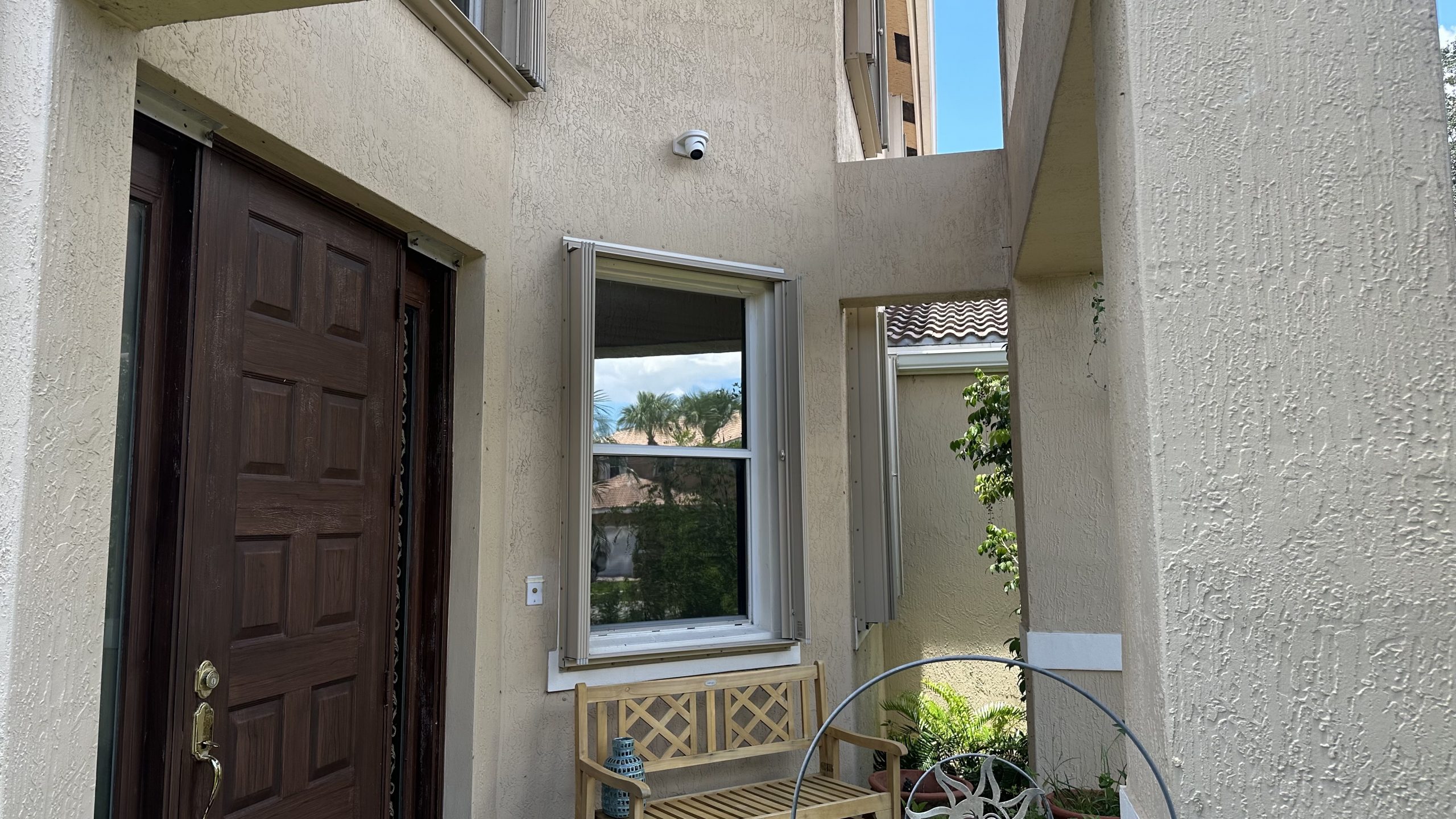
Although you might assume burglars target hidden entrances, official data confirms ‘Housebreaking’ is a top property crime in Malaysia. Furthermore, security experts and the Royal Malaysia Police (PDRM) stress that the most accessible point like the front door is a critical vulnerability. In fact, it’s not just an entryway for family and deliveries. But, it’s a prime target for intruders and package thieves. Therefore, installing a CCTV camera here monitors all activity at this key access point, ultimately providing a powerful deterrent.
2. Exterior: Back and side doors
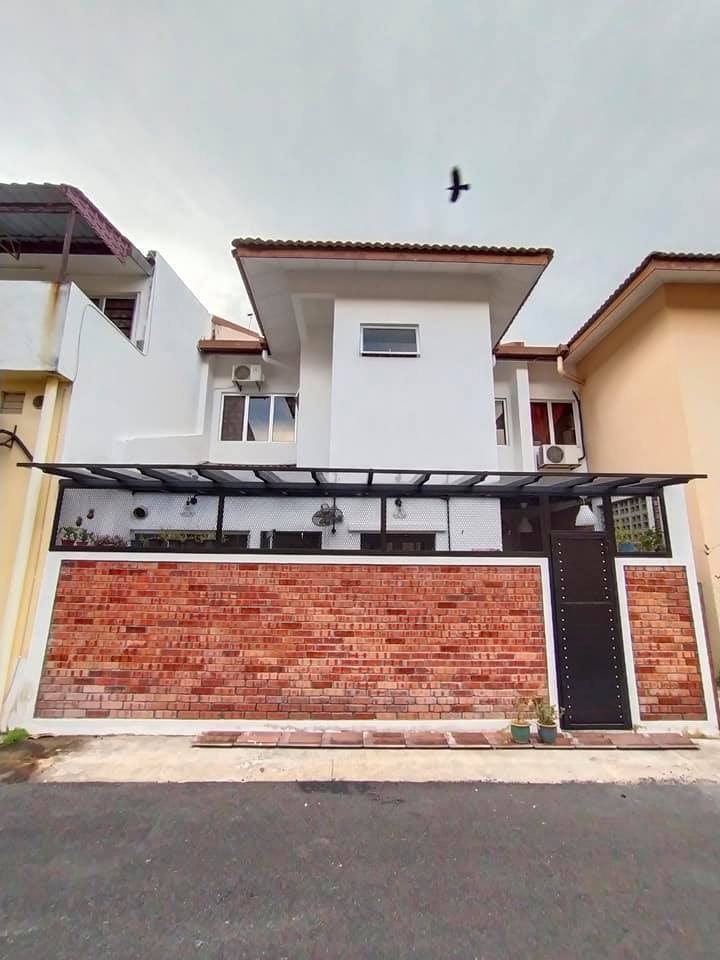
In Malaysia, the back door or a side gate often presents the most vulnerable point in a home. Because fences and walls shield these entrances from the main road and neighbours, they allow unwanted visitors to approach undetected.
Eliminate this dangerous blind spot by installing cameras that cover your secondary doors. Prioritize this if your household uses the door regularly, it opens into an alley, or its accessibility might entice a potential intruder.
3. Exterior: Garage and driveway
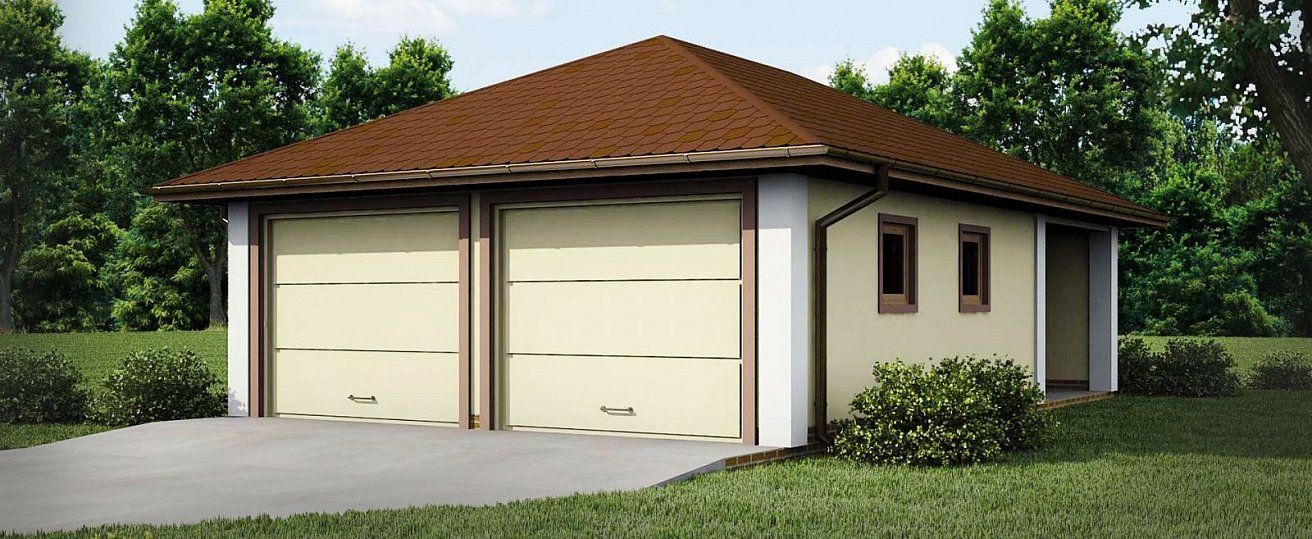
Because garages are among the weakest points of entry, burglars frequently target them. Bikes, tools, grills, sports equipment, cars, and anyone handling them are all closely monitored by a camera aimed at your garage or driveway. The camera keeps you connected even if your garage is disconnected. If the garage is connected, an additional security measure keeps an eye on another potential point of entry into your house. You might want to install a camera at the end of your driveway if there is a gate to identify anyone trying to enter.
4. Exterior: Wide Yard Views
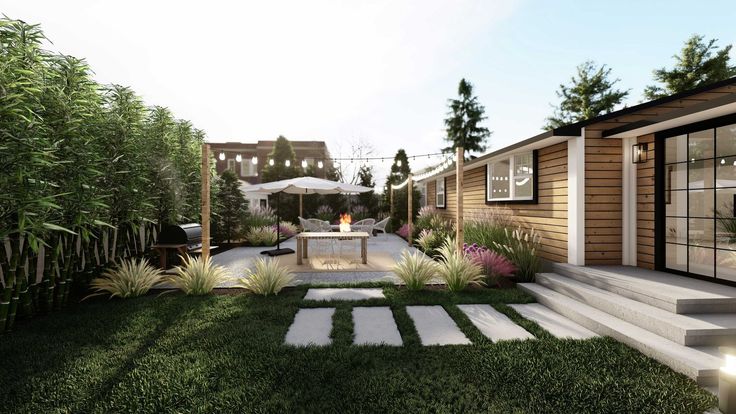
Installing a camera in your yard offers a dual benefit. Firstly, it secures your perimeter against potential threats and helps you keep a loving eye on family and pets outdoors. To be effective, select a camera with a broad field of view (130 degrees or greater) that can monitor the entire space, making sure to frame the shot to include any access points like gates or shed entrances.
5. Interior: Common Areas
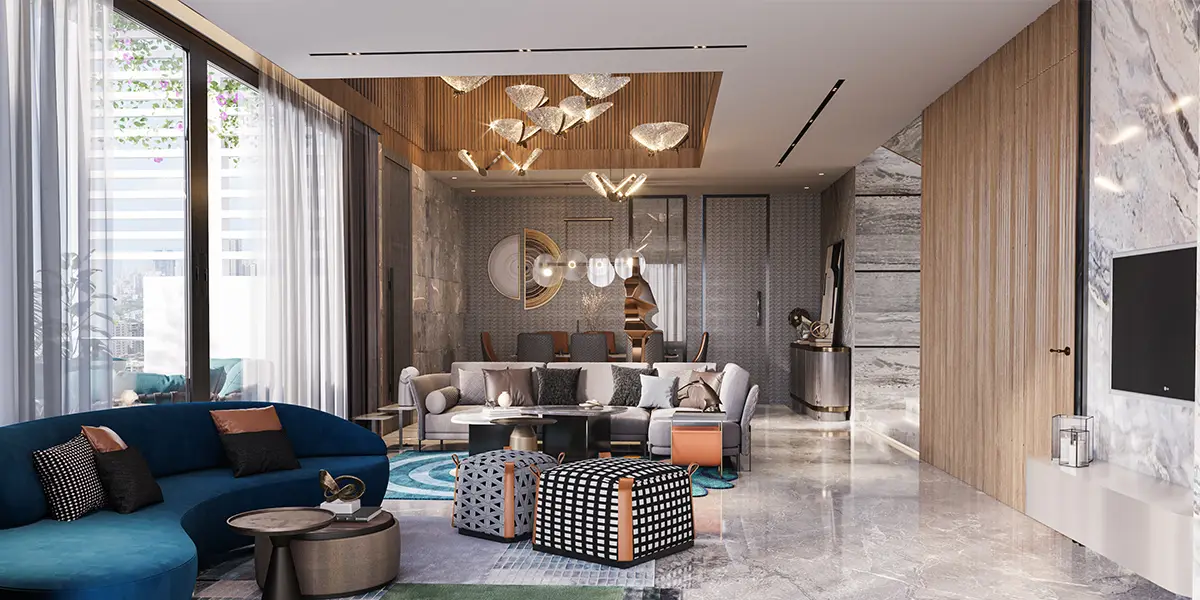
Indoor cameras in high-traffic spaces offer peace of mind by letting you discreetly monitor your home’s activity. You can ensure children are safe, pets are out of trouble, and domestic help is attentive. It’s also a smart security measure for rooms with large windows, allowing you to watch for attempted break-ins. For the most useful footage, frame the shot to capture important zones like a main sitting area or where the kids play.
6. Interior: Main Stairway or hallway
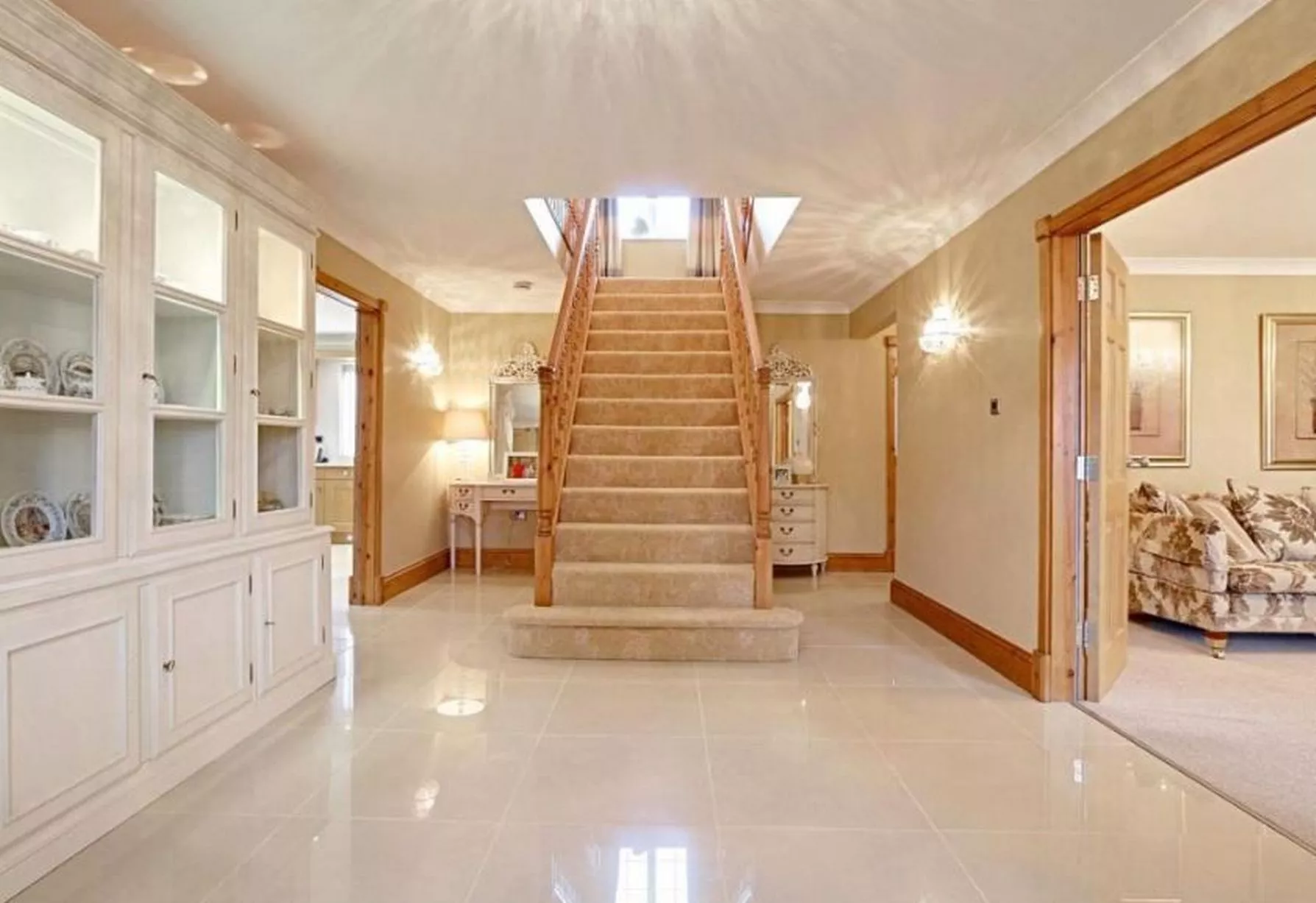
To prevent anyone from moving through your home unseen, install cameras in key interior pathways like hallways and stairwells. This setup acts as an internal trap. Even if a break-in occurs through an unguarded point, the intruder will be captured on video as soon as they enter one of these monitored choke points.
Places You Should Never Install A CCTV Camera
Respect Your Neighbors’ Privacy
While security is a priority, it should not come at the cost of your neighbors’ privacy. As a general rule, you are permitted to install outdoor cameras that monitor your own property. It’s often acceptable if a neighbor’s home or public-facing area appears incidentally in the background. However, you should never intentionally point a camera directly at a neighbor’s private spaces. For example, their windows, backyard, or front door.
Bedrooms And Bathrooms
It’s completely natural to want to watch over vulnerable family members. However, placing CCTV in bedrooms or bathrooms intrudes on their essential privacy and could expose that footage if the device is compromised. For true peace of mind, opt for specialized solutions: modern baby monitors for infants, discrete sensors on entry points, and wearable medical alert devices for seniors.
Tips For CCTV Camera Placement (Outdoor)
Once you determine which areas to keep track of, you need to set up your positioning decisions. These suggestions make this step simple to complete:
- Optimal Mounting Height: Install cameras 8 to 10 feet (2.5 to 3 meters) above the ground. This elevation ensures a clear field of view for identifying details while preventing easy tampering.
- Manage Lighting Conditions: Prevent washed-out footage by angling cameras away from direct sunlight. Position them to utilize indirect light for a clearer, consistently visible image.
- Shield from the Elements: Enhance camera durability by mounting them under protective coverings like eaves. This safeguards them from harsh weather, even if they are weather-resistant.
- Maintain a Clear Line of Sight: Choose locations away from overgrown foliage. Regularly trim any branches or shrubs that could potentially block the camera’s view over time.
- Leverage Visible Deterrence: Strategically place some cameras in plain sight. A visible camera acts as an effective deterrent, often preventing crime before it occurs.
Tips For CCTV Camera Placement (Indoor)
Maximize your indoor camera’s effectiveness with these strategic placement guidelines:
- Utilize Corners for the Best Vantage Point: Mounting your camera in the corner of a room provides the widest possible viewing angle, minimizing blind spots and covering the entire area effectively.
- Use Shelves for Flexible Placement: For easy adjustment and versatility, place your camera on a sturdy shelf. This non-permanent solution allows you to fine-tune the angle or relocate the camera to another room as needed.
- Avoid Pointing Cameras Directly at Windows: Shooting through glass can cause severe reflection issues, especially at night when the camera’s own infrared (IR) light bounces back, creating a washed-out, unusable image. Position the camera at an angle to the window to prevent this.
- Manage Indoor Light Sources: Just like outdoors, direct indoor light can ruin your footage. Angle your camera away from bright lamps, light fixtures, and sunlit windows to ensure a clear, well-defined picture without glare or overexposure.
Conclusion
Strategic placement is your greatest deterrent. As we’ve explored, each location serves a unique purpose in creating a protective web around your property. For instance, the vulnerable front door to the secluded back door and side gates.
Remember the core principles: prioritize access points, eliminate blind spots, and use both visible deterrents and discreet monitoring. By mounting cameras at the correct height, managing light sources, and respecting privacy, you ensure your system is both ethical and effective.
Looking For CCTV Camera For Your Buildings?
At VSH Technology Sdn Bhd, we specialize in providing CCTV Camera tailored specially for your home, homestays, office etc. We’ll help you create a smart and more convenient experience for your security.
Contact us today to learn more about CCTV Camera and how we can support your needs.