Back up power supply for business primarily the Uninterruptible Power Supplies (UPS) provide instant, short-term battery power to prevent immediate data loss and hardware damage during power outages. For businesses, choosing a backup power supply depends on whether you need immediate short-term protection for sensitive electronics or long-term continuity for entire facilities.
Most commercial setups use a layered approach combining an Uninterruptible Power Supply (UPS) for instant coverage and a standby generator for extended outages. In this article, you will be informed on why back up power supply for business is essential.
What Is UPS?
A UPS acts as an instant safety bridge for your business electronics during power failures. While a generator takes time to roar to life, a UPS uses its internal battery to provide immediate, “clean” electricity the millisecond the main power drops, preventing your computers or servers from crashing. Beyond just backup power, it functions as a protective filter, smoothing out dangerous voltage spikes and electrical “noise” that can fry sensitive hardware over time. Essentially, it buys you the critical minutes needed to save data or switch to a long-term power source, ensuring your digital operations don’t skip a beat.
Why UPS Is Important For Business?
Instead of looking at a UPS as a technical device, it’s a productivity stabilizer that prevents the “hidden costs” of a power glitch. When power flickers, it doesn’t just turn off a computer. But, it breaks the flow of a customer transaction, kicks employees off a collaborative cloud document, and forces a 20-minute reboot cycle across your entire office.
By acting as a silent buffer, the UPS ensures that your clients never see your internal technical struggles. Your staff also never loses their momentum, effectively paying for itself by eliminating the labor hours typically wasted on recovering from a power failure.
How UPS Works?
A UPS, or Uninterruptible Power Supply, is basically a backup system that keeps your devices running when the electricity goes out. It constantly checks the power coming from the wall. If the power fails or becomes unstable, the UPS instantly switches to its battery. This change happens so quickly that your computer, TV, or other devices don’t even notice — they keep working without interruption.
Inside the UPS, the process is simple: the electricity from the wall (AC power) is first converted into DC power by a part called the rectifier. This DC power charges the battery and also feeds another part called the inverter. The inverter then changes the DC power back into AC power, which is what your devices use. So, whether the electricity is coming from the wall or the battery, the UPS makes sure your devices always get a steady flow of usable power.
A UPS is more than just a backup battery. It:
- Supplies power instantly during an outage so devices stay on.
- Protects against voltage fluctuations that can damage sensitive equipment.
- Provides time to save work and shut down systems properly.
- Supports integration with generators for longer backup.
This process ensures that your devices receive a steady supply of power, even during a power outage. It’s a seamless process that happens in milliseconds, ensuring uninterrupted power for your critical systems.
Types Of UPS Systems
There are four main types of UPS systems, each designed for different needs and situations.
Lithium-Ion Phosphate UPS is a newer and more advanced option that uses lithium-ion phosphate batteries. These batteries last longer, charge faster, and store more energy compared to traditional ones, making them highly efficient and reliable.
Modular Online UPS is built for flexibility. Instead of being fixed in size, it allows you to add or remove power modules depending on how much capacity you need. This makes it easy to scale up or down without replacing the whole system.
Line-Interactive UPS is an upgrade from the basic standby UPS. It includes a feature called Automatic Voltage Regulation (AVR), which can fix small power fluctuations without using the battery. This helps save battery power for bigger issues like outages.
Online UPS, also called double-conversion UPS, offers the strongest protection. It continuously converts incoming AC power to DC and then back to AC. This process completely isolates your devices from any problems in the power supply, ensuring they always receive clean and stable electricity.
Calculating Your UPS Needs
To calculate what you need, start by listing all the devices you plan to connect to the UPS. The first thing to do is figure out how much power your equipment needs this means knowing the total wattage and how long you want the backup to last.. Add up the total power consumption of all those devices. Once you have the total, choose a UPS that has a higher capacity than that number. This way, the UPS can handle the load comfortably and provide reliable backup power during an outage.
It’s also worth considering the environment where the UPS will be placed. Conditions such as temperature, humidity, and available space can affect how well it performs and how long it lasts.
Finally, don’t overlook after-sales support and warranty. A strong warranty and reliable customer service can make a big difference, saving you both time and money if something goes wrong.
In short, here are how to choose your UPS needs
- List all the devices you want to connect to the UPS.
- Find the power consumption of each device (usually stated in the device manual or on the device itself).
- Add up the total power consumption.
- Choose a UPS with a capacity that exceeds your total power consumption to ensure all your devices can run smoothly during a power outage.
Back Up Power Supply for business Supplier In Malaysia
At VSH Technology, we offer Uninterruptable Power Supply with many brands which are Koss, Right Power, Galleon II, APC and Cyber Power.
Below are some of our UPS and their spec:
1) Koss – Formula 800E UPS
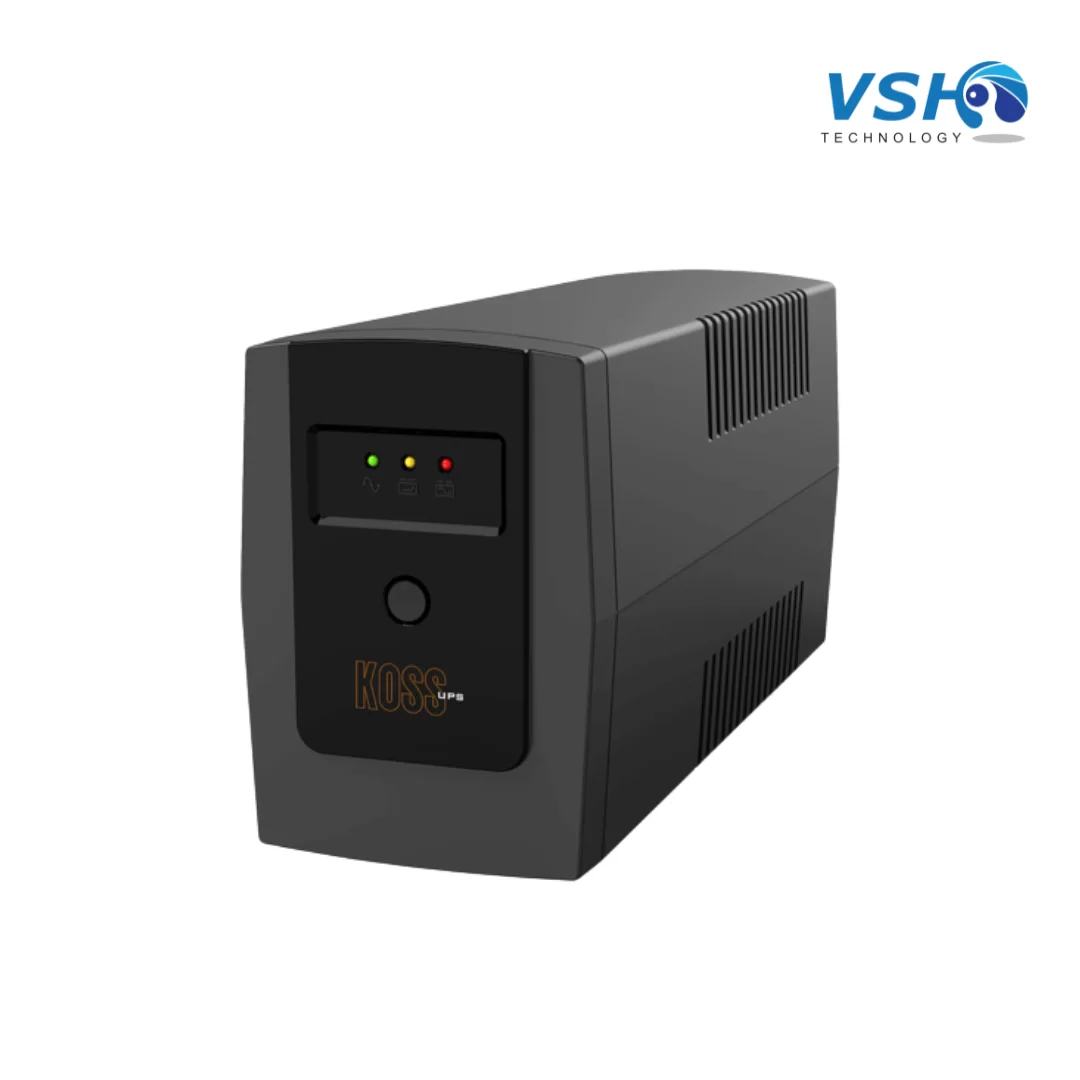
- Compact Size, Light Weight Design
- LED Display Line Interactive UPS
- Excellent Microprocessor Control Guarantees High Reliability
- Boost and Buck AVR for Voltage Stabilization
- Built-in Surge and Spike Protection
2) Right Power –KR PRO 3K
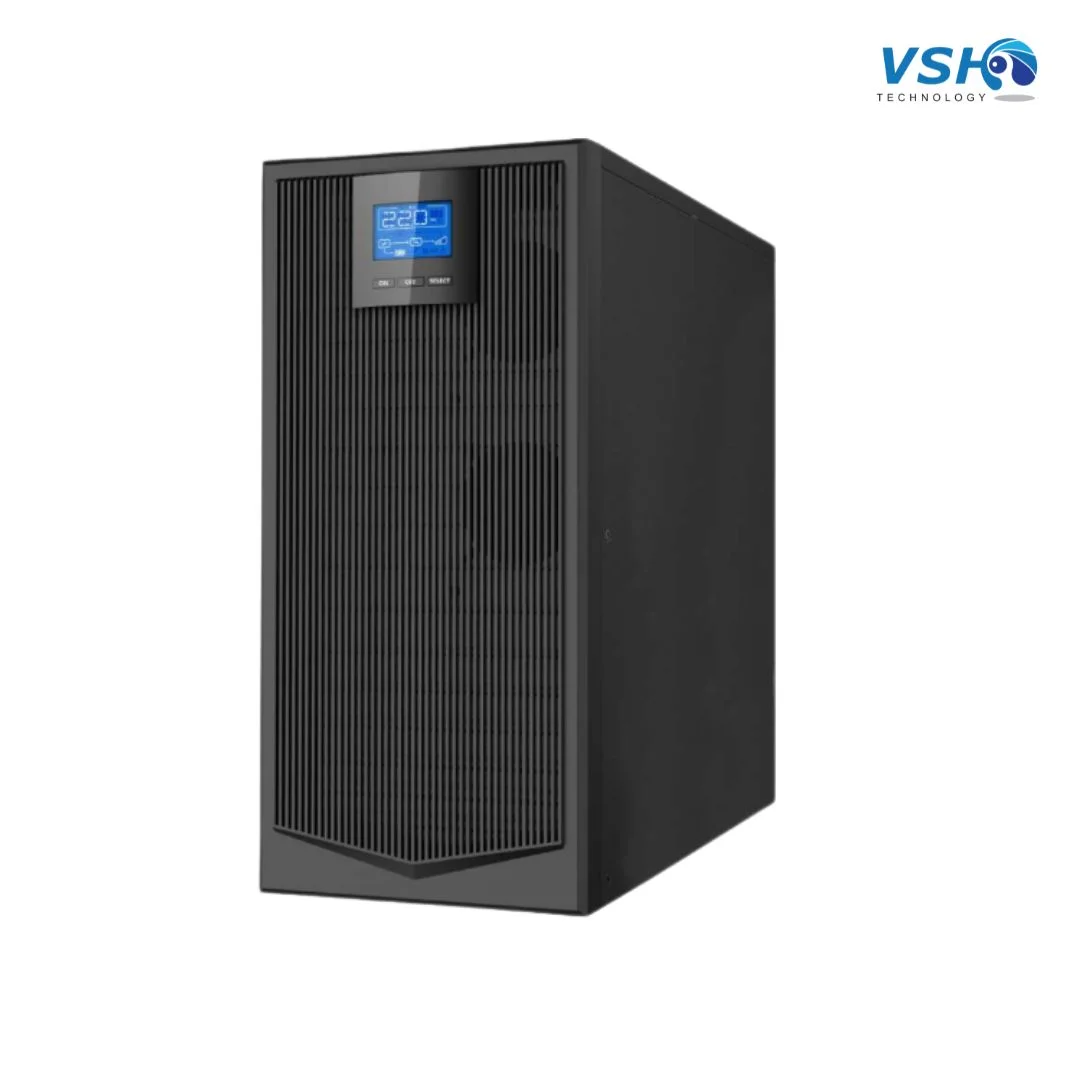
- Output Power Factor 0.9
- Wide Input Range
- Input Power Factor up to 0.996
- AC/AC Efficiency up to 95%
- Output Voltage and ECO Mode Selectable via LCD
- ECO Mode Function for Energy Saving
- Emergency Power Off Function (EPO)
- Comes with USB Port, RS-232 Communication Port
- SNMP Slot & Power Management Software
3) Cyber Power -HSTP3T20KE 3
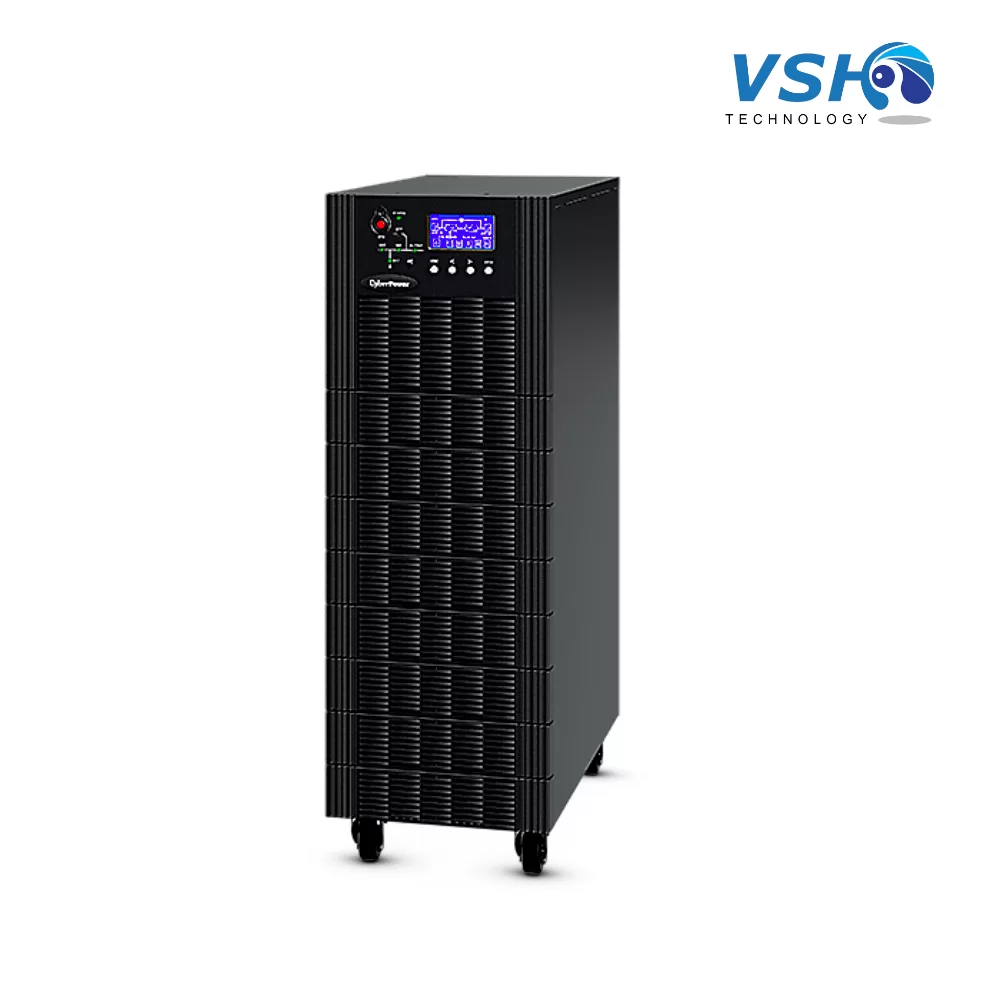
- Phase: Three Phase
- Form Factor: Tower
- UPS Topology: Online Double Conversion
- Energy Saving Technology: Online ECO Mode Efficiency > 98%
- Normal Mode Efficiency (%): 95%
4) Right Power –PowerStar NEO 800
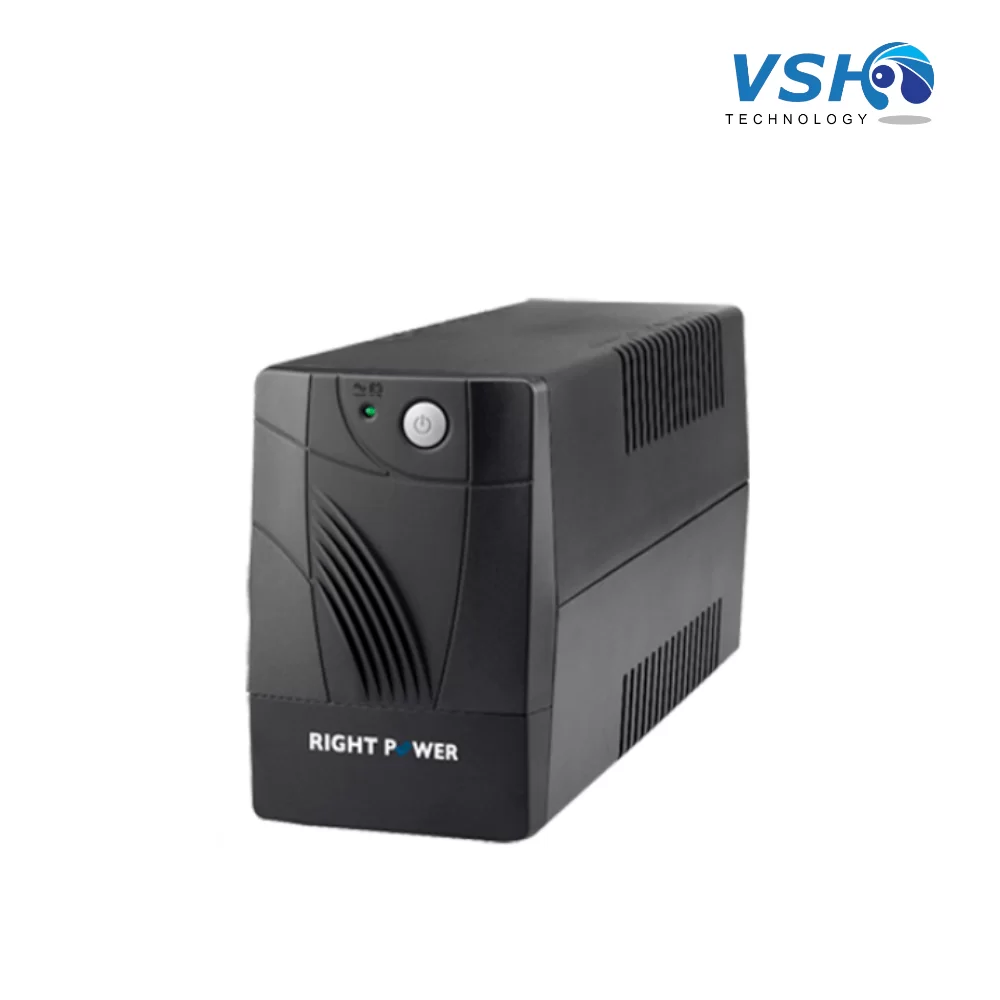
- Input voltage: 220/230/240VAC
- Voltage range: 162-280
- Backup time: 20-30 minutes
- Weight: 4.2kg
- Dimension: 279 x 101 x 142 mm
End Note
In short, a UPS is essential back up power supply for business because it transforms unpredictable utility power into a reliable, steady stream of energy. Moreover, it protects your most expensive assets such as hardware and data.
On top of that, it prevents the cascading costs of operational downtime, where minutes of lost connectivity can lead to hours of lost productivity. Ultimately, a UPS ensures that your customers never see your technical vulnerabilities and your employees never lose their work, making it a small investment that prevents a massive financial headache.
If you are searching for security system supplier in Malaysia, you have come to the right place. We are specialize in providing security systems such as CCTV, smart door lock, barrier gates, access control systems, burglar alarm systems and many more. We’ll help you create a smart, safe and more convenient experience for your buildings.
Contact us today for consultation and we will support your needs.